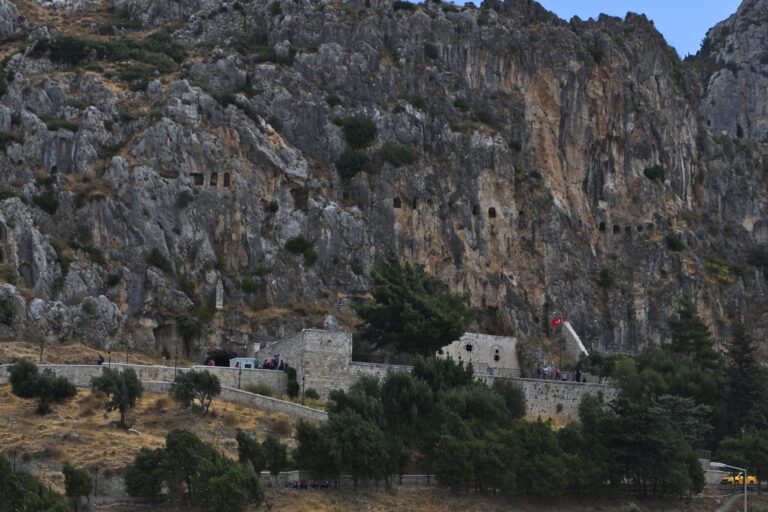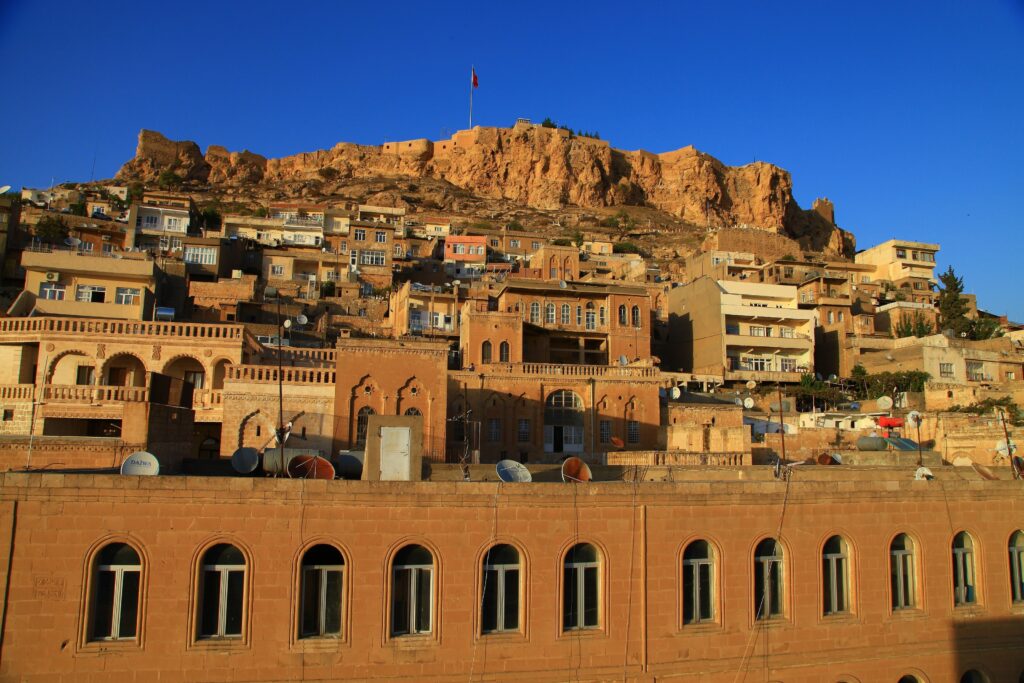
The main Christian sites in southeast Turkey are Mor Gabriel Monastery near Midyat, founded in 397 AD, Deyrulzafaran Monastery near Mardin, the old churches of Mardin and Midyat, and the Abraham sites of Şanlıurfa and Harran. This is the heartland of Syriac Christianity, and Syriac Orthodox Christians still pray in several of these places today.
Add Tours Around Turkey as a preferred source on Google
Most routes to Christian sites in Turkey stay in the west, so the southeast is often forgotten. I think this is a pity, because Christianity here is very old and still alive. Let’s have a look at the places I would put on a route.
Antioch, today’s Antakya, is in another region, so I wrote about it separately in my Antioch article. You can also see my list of sacred attractions and routes in Turkey.
Tur Abdin and the Syriac Christians
Tur Abdin is a low plateau in Mardin and Şırnak provinces, and Midyat is its main town. The name means “Mountain of the Servants” in Syriac, meaning the servants of God. Syriac Orthodox Christians have lived here for centuries. Some of them still speak Turoyo, a modern form of Aramaic, which was also the everyday language in the time of Jesus.
Syriac is a form of Aramaic that took shape in Edessa, and the Syriac Orthodox liturgy still uses it. In 2021 Turkey put nine churches and monasteries of Tur Abdin on its UNESCO tentative list, among them Mor Gabriel and Deyrulzafaran. This is only a first step toward World Heritage status.
Mor Gabriel Monastery
Mor Gabriel Monastery stands nearby Midyat. Two ascetics, Mor Shmuel and Mor Shemun of Qartmin, founded it in 397 AD. It is one of the oldest working monasteries in the world, and monks and nuns still live there. The monastery is also the seat of the metropolitan of Tur Abdin.
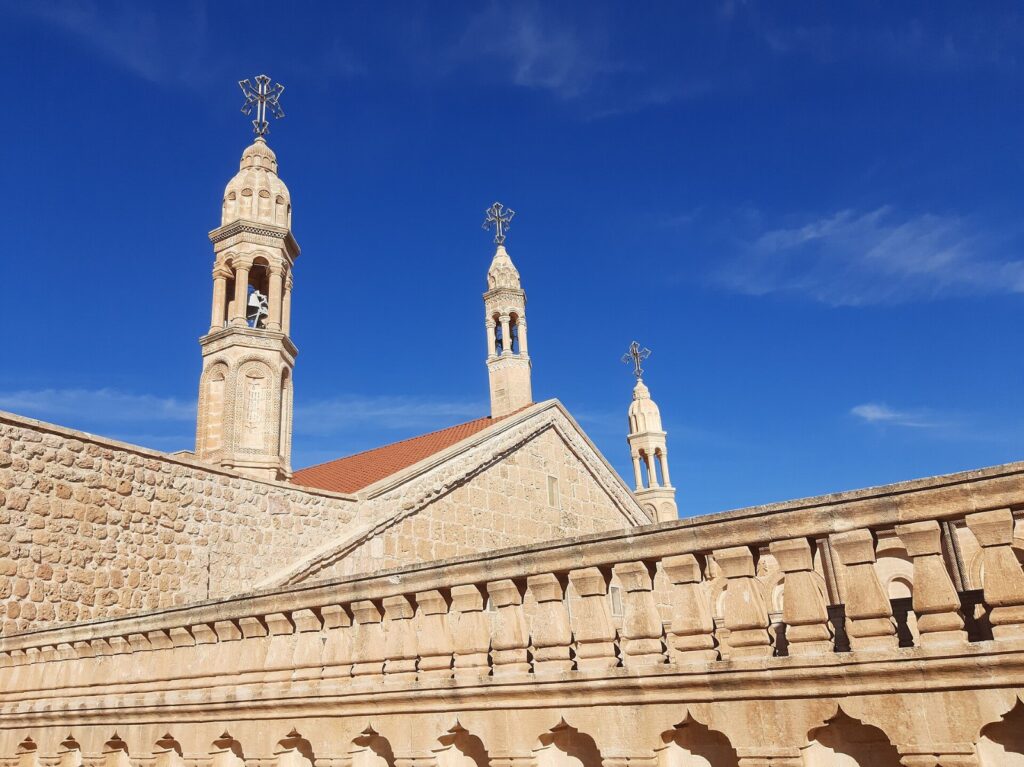
The main church was completed in 512 with support of Emperor Anastasius I. Its mosaics show only patterns, with no human or animal figures. I recommend my guests to ask about the visiting hours first, because this is a working monastery and its gates close in the evening.
Deyrulzafaran Monastery
Deyrulzafaran, the Saffron Monastery, is a few kilometers southeast of Mardin. It became a monastery in 493 AD, on a site with an older temple of the sun god. Church of the Virgin Mary comes from the 5th or 6th century. From the 12th century into the 20th century the Syriac Orthodox patriarchs lived here.
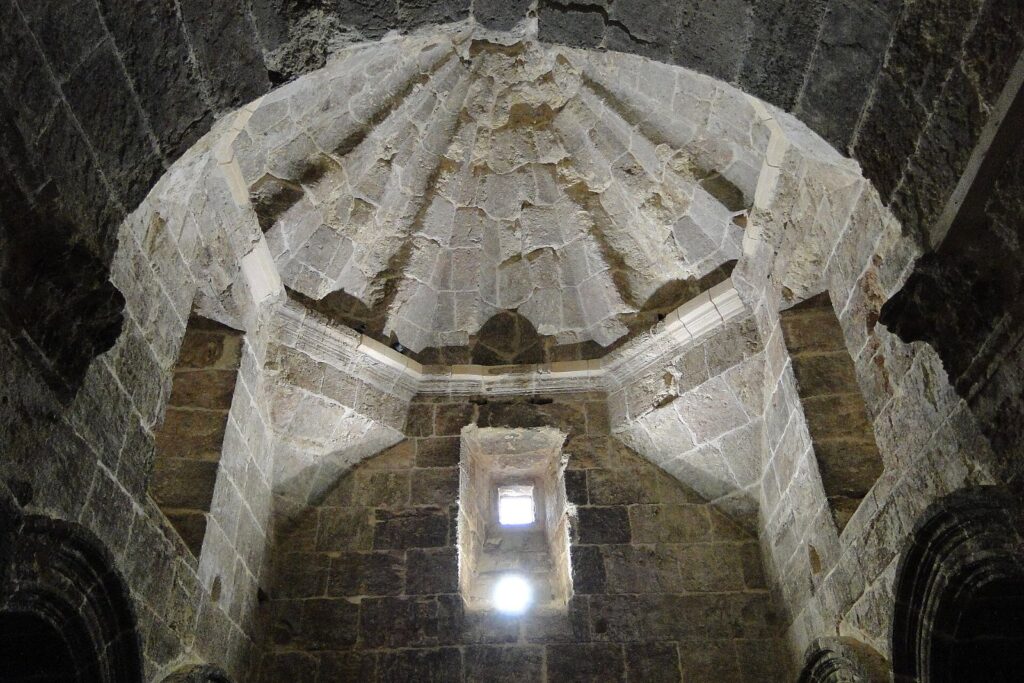
According to tradition, the name comes from saffron that was mixed into the lime of the walls. The monastery also has an underground stone chamber from before the Christian period. A monastic comunity still lives here today.
Mardin and Midyat Old Towns
Mardin sits at a rocky hill above the Mesopotamian plain. The churches in Mardin are Syriac, Chaldean and Armenian, and they stand next to mosques and madrasas. The Church of the Forty Martyrs, also called Mor Behnam, is a Syriac Orthodox church from the mid-6th century. It is still in use, and a Yaldho (Christmas) service was held there in December 2024.
Midyat has old houses and Syriac churches in its old town, Estel, and a local craft of silver filigree called telkari. To the southeast, Nusaybin was ancient Nisibis, home of an important early Christian school. You can read more in my articles on Nisibis in Turkey and the Roman province of Mesopotamia.
Şanlıurfa, Edessa and Harran
Şanlıurfa was ancient Edessa, an early center of Syriac Christianity. The church historian Eusebius wrote that the archives of Edessa kept a letter from King Abgar to Jesus and the answer. He said he translated them from Syriac. Scholars doubt that the letters are genuine, but the story shows how old the Christian memory of this city is.
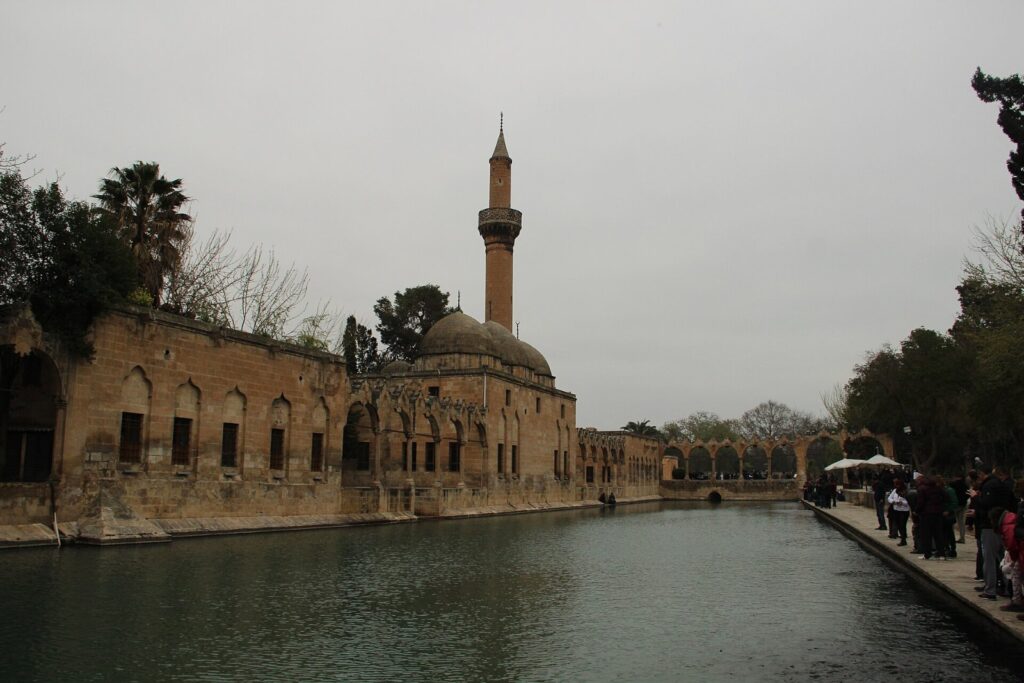
In the old city, Balıklıgöl is the Pool of Abraham. The legend says Nimrod threw Abraham into a fire, and God turned the flames into water and the wood into carp. The carp are sacred, nobody catches or eats them. Muslim tradition says Abraham was born in a cave nearby, and a mosque stands there today.
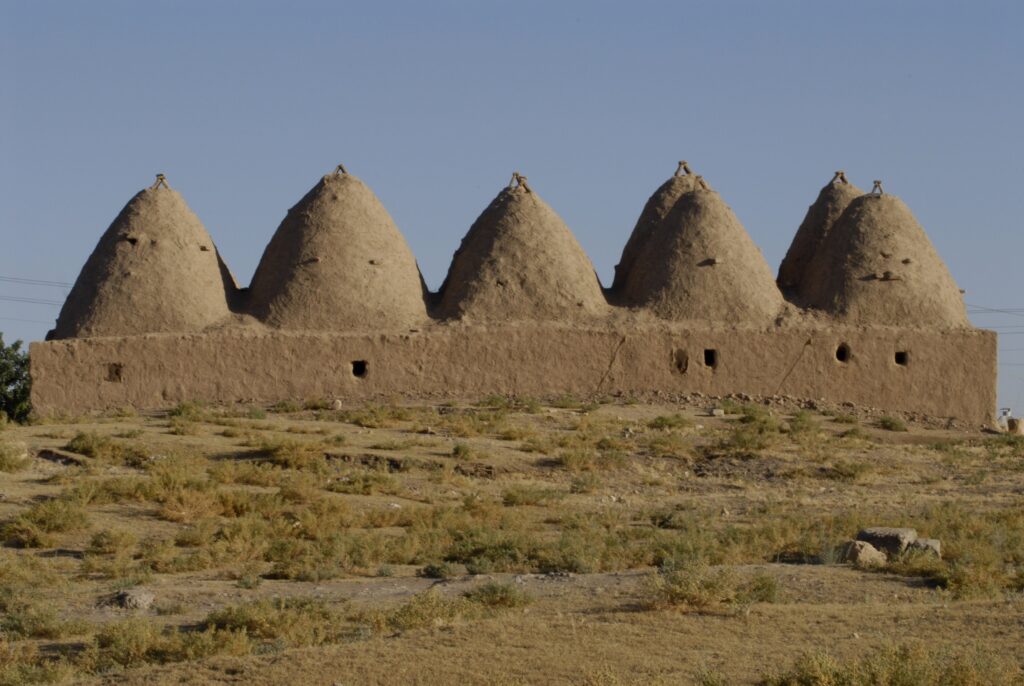
About 40 kilometers southeast, Harran is where Terah, the father of Abraham, “came to Haran and lived there” on the way from Ur to Canaan (Genesis 11:31, WEB). Abraham left Harran at the age of seventy-five (Genesis 12:4). The cone-shaped houses you see there today are mostly from the early 20th century. Also, Göbekli Tepe lies nearby Şanlıurfa too, and I wrote about it in my Gobeklitepe article.
Diyarbakır Walls and Surp Giragos
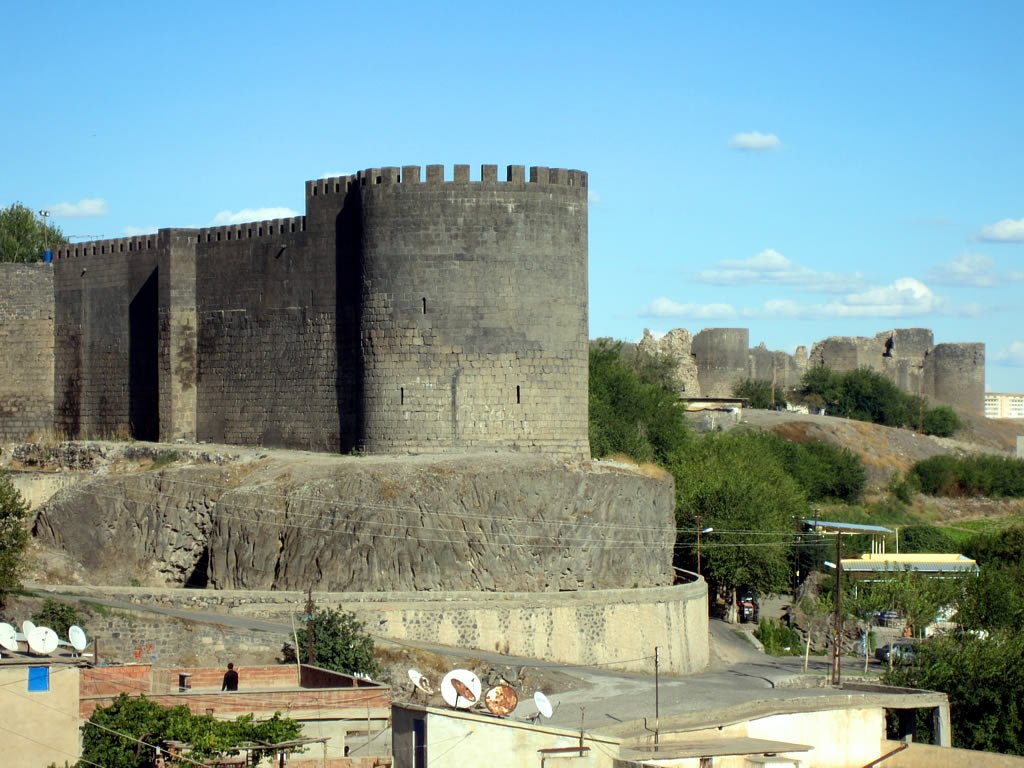
The black basalt walls of Diyarbakır are 5.8 kilometers long and carry 63 inscriptions from different periods. UNESCO listed the walls together with the Hevsel Gardens as a World Heritage Site in 2015. For a Roman military site between Diyarbakır and Mardin, see my article on Zerzevan Castle and Mithras Temple.
Inside the old city stands Surp Giragos, a 16th-century Armenian church that is often called the largest Armenian church in the Middle East. It was reopened for worship in May 2022 after restoration.
Frequently Asked Questions
Where is Tur Abdin?
Tur Abdin is a plateau in southeast Turkey. It covers the eastern half of Mardin Province and the part of Şırnak Province west of the Tigris River, and Midyat is its main town.
What is Syriac Christianity?
Syriac Christianity is an Eastern Christian tradition whose writings and liturgies use Classical Syriac, a form of Aramaic that grew in Edessa. In Mardin and Tur Abdin its followers belong mostly to the Syriac Orthodox Church.
Can you visit Mor Gabriel Monastery?
Yes, Mor Gabriel welcomes visitors, but it is a working monastery with fixed visiting hours and closed gates in the evening. Ask for the current hours before you travel, and dress modestly.
Hire Biblical Tour Guide in Turkey
I’m a nationally licensed Turkish tour guide based in Kuşadası. My day guiding is in Ephesus, İzmir and Pamukkale. The southeast is far from Kuşadası and needs several days, so it is not a day trip. With my national license I can join my guests as their personal guide on a longer journey. Before you plan such a trip, please check your government’s current travel advice.
You can see my guiding rates and guiding areas, or write to me through my contact page to ask about my availability.
I hope we will visit the old monasteries of Tur Abdin together one day. You can always write to me with your questions about southeast Turkey. See you soon, Hasan Gülday.