The priests of Artemis at Ephesus were led, before Roman times, by a high priest called the Megabyzos, a eunuch with a Persian title. Officials called Essenes served a year at a time, and virgin priestesses served beside him. In Roman times the priestess office went to young women from the well-known families of the city.
Add Tours Around Turkey as a preferred source on Google
Artemis was the goddess that Ephesus loved most, and a sanctuary so big needed many people to run it. Let’s have a look at who they were, where their names came from and how one Ephesian priestess ended up in France.
Who Was the Megabyzos?
The Megabyzos was the high priest of the Temple of Artemis, and the old writers say he was a eunuch. Megabyzos is Persian name, which Persian nobles also bore, and at Ephesus it became the title of the priest. It seems that there was one Megabyzos at a time, and the title passed from priest to priest.
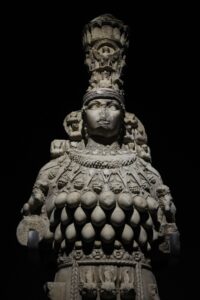
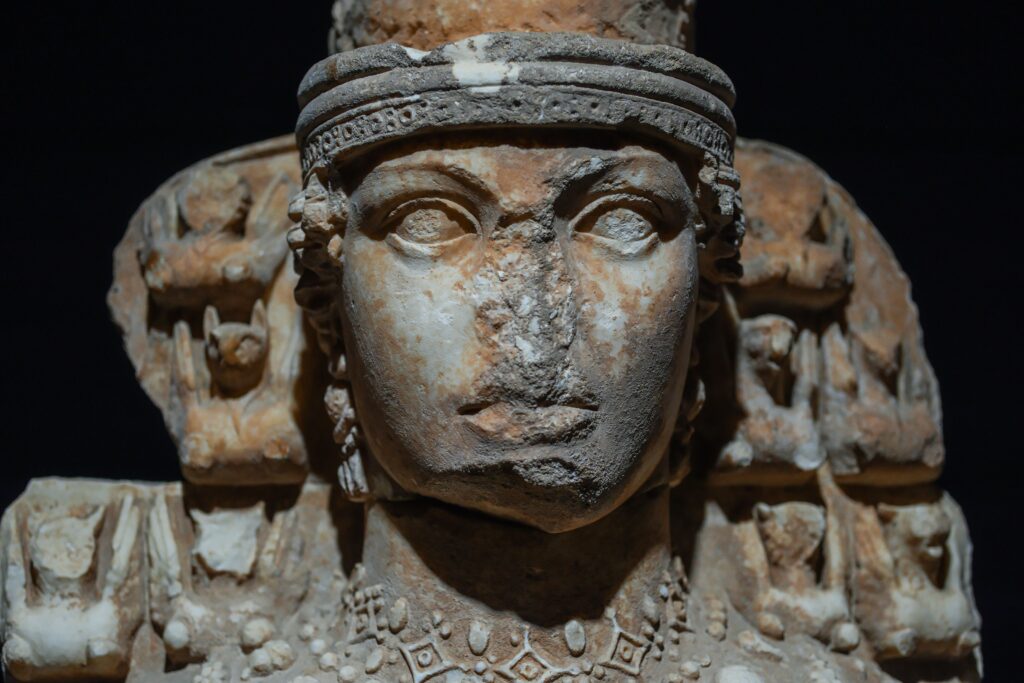
The Ephesians used to send for a man from another place who was worthy of the office, and he was held in high honor. The old texts also say that the priests had to appoint virgin girls as their colleagues, so the high priest never served alone. You can see the goddess they served in the Roman statue of the Ephesus Archeological Museum.
What Did the Essenes Do?
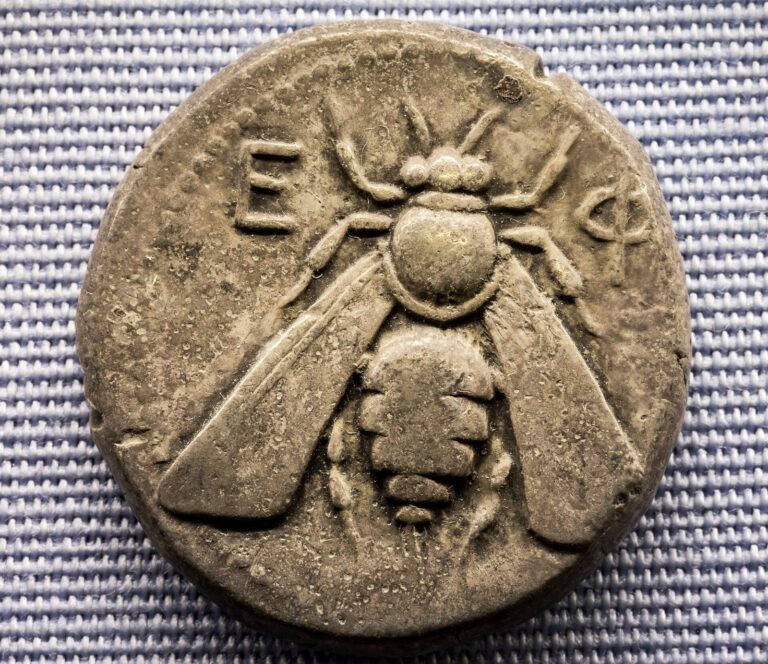
The Essenes were temple officials who had to live by strict rules of purity, but only for one year. Their name seems to be connected with the Greek word for a king bee, and the bee was the symbol of Artemis in Ephesus. The priestesses had bee names too.
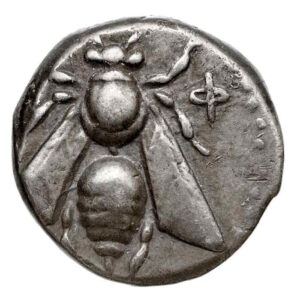
By the way, the bee stayed on the coins of Ephesus for centuries, and I wrote a whole article about Ephesus and bees. Next time you see a bee on a coin or a wall in Ephesus, think of the Essenes of the temple.
Persian Traces in the Cult of Artemis
Persian rule left traces in the cult of Artemis, and the first one is the name Megabyzos. Persian kings ruled Ephesus from about 546 BC until Alexander the Great came in 334 BC, with some breaks, and on the whole they treated the city fairly. Some say they also brought Persian priests into the cult, and the Ephesians never forgave it.
The Magi, the Persian priests, were in Ephesus too. When the old temple burned in 356 BC, they ran through the streets beating their faces and crying that a great disaster for Asia had been born that day.
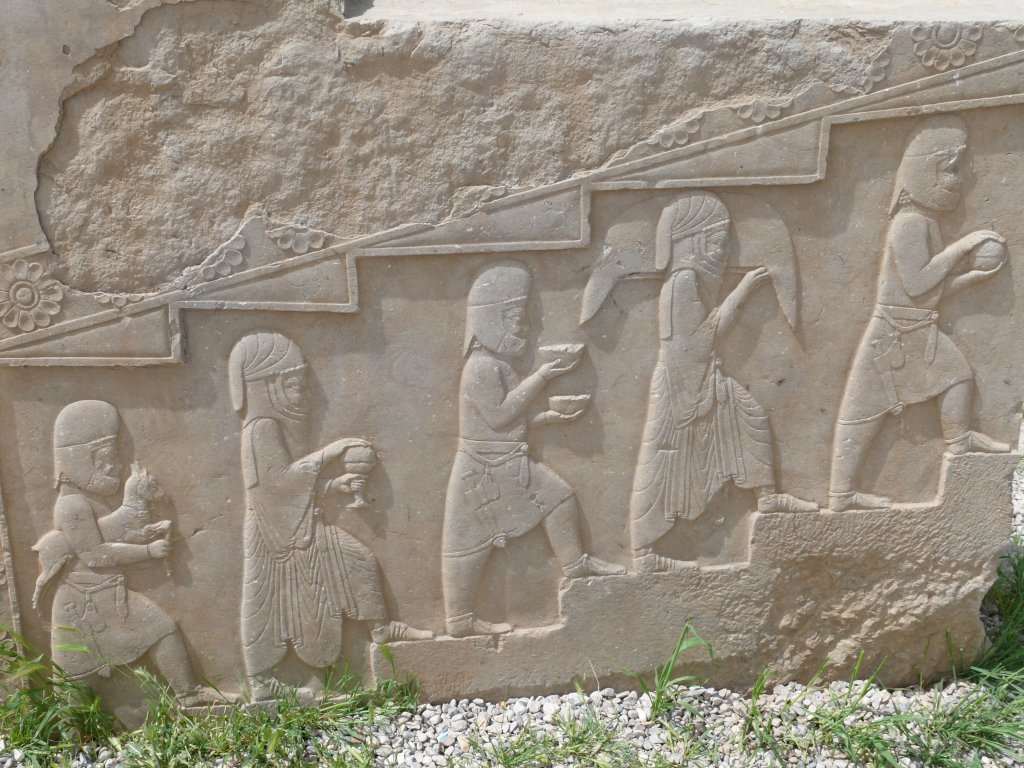
Hypaipa, a town in the hills east of Ephesus near today’s Ödemiş, worshipped the Persian goddess Anahita under the name Artemis Anaitis, the Persian Artemis. A Greek traveler of Roman times saw a priest there put a tiara on his head and sing from a book in a langauge that the Greeks did not understand. Then the wood on the altar caught fire without a flame.
Priestesses of Artemis in Roman Times
The priestesses of Artemis were young women who held the office for a set time and were then free to marry. In Roman times they came mostly from the well-known families of Ephesus. Inscriptions praise them for carrying out the sacrifices and the mysteries well, and some of them spent their own money for the temple.
One inscription of the 3rd century tells about two sisters who were both priestesses of Artemis. Their mother had been priestess before them, their father was a doctor. At their own cost they repaired two porticoes at the front of the temple.
Aristarche, the First Priestess of Marseille
Aristarche was an Ephesian woman who, the story says, carried the cult of Artemis to Massalia, today’s Marseille, and became its first priestess. Around 600 BC the Greeks of Phocaea, a city north-west of İzmir, sailed to found a colony in the west. An oracle told them to take a guide from Artemis of Ephesus.
In Ephesus the goddess appeared in a dream to Aristarche, one of the most honored women of the city. She told her to go with the Phocaeans and to take an image from the temple. When the colony was settled, they built temple to Artemis of Ephesus and made Aristarche its priestess.
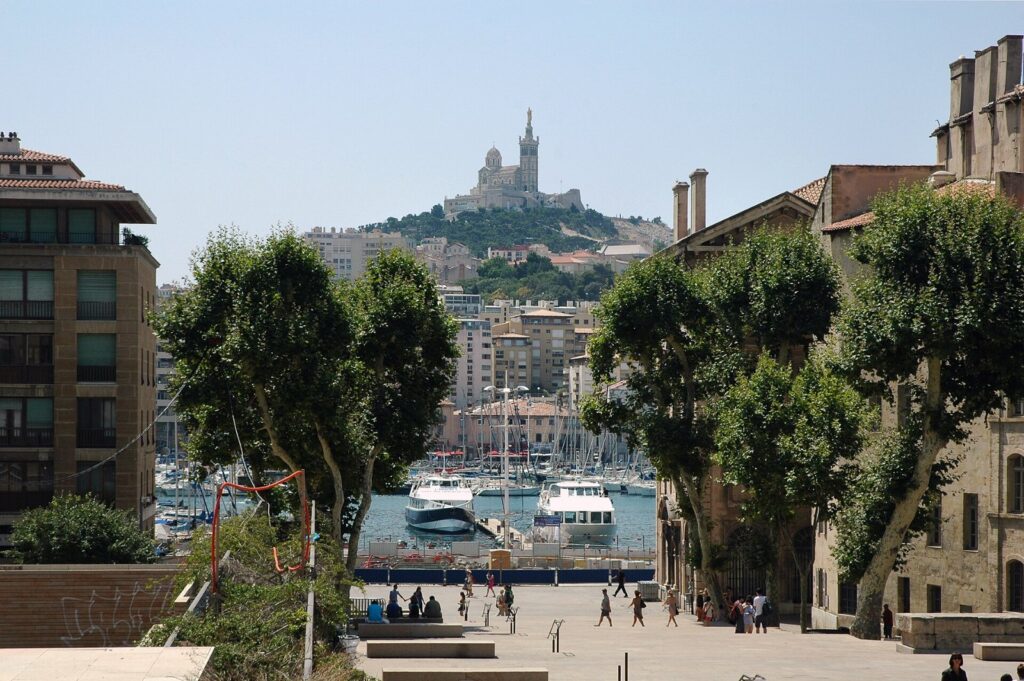
The colonies of Massalia kept the image and the rites the same as in Ephesus. So the cult of the goddess whom I describe in my article on the Lady of Ephesus left her city with one woman and traveled all the way to France.
Girls and Women Who Served the Goddess
Artemis of Ephesus was served by women as much as by men. The inscriptions of the Roman city name a group called the kosmeteirai, the women who adorned the goddess. They dressed the cult statue for the festivals, kept her robes and her gold, and walked with her statues in the processions. It was an honor, and it was a club of the best families too.
The priestesses themselves were often young. Many inscriptions call a priestess of Artemis a girl, and some say she served before her marriage. Her father was usually a man with offices of his own, a prytanis or an asiarch, and the whole family stood behind her year. When I read these stones to my guests, the same names come back again and again, generation after generation.
The year was not free of charge. A priestess paid for the sacrifices, the banquets and the gifts of her festival, and her family paid with her. In return the city set up her statue, and the inscription on the base listed what she had done and who her father and grandfather were. Some women held the priesthood more than once, and a few paid for buildings in the sanctuary as well.
By the way, these stones are the best proof we have of women’s public life in Ephesus. A priestess of Artemis was a public person, honored by the council and the people, and her name was carved in marble next to the names of men. I like to show my guests one of these bases in the Ephesus Museum garden, because a name on a stone makes the goddess’s household real.
Frequently Asked Questions
Were the priests of Artemis at Ephesus eunuchs?
Yes, the high priest was, at least before Roman times. He was called the Megabyzos, and the old writers say that the priests were eunuchs. The priestesses were virgin girls who served for a set time.
What did a priestess of Artemis do?
She served the goddess for a set time, took part in the sacrifices and the mysteries, and in Roman times some priestesses paid for repairs at the temple from their own money. After her term she was free to marry.
Hire Ephesus Tour Guide
I’m a nationally licensed Turkish tour guide based in Kuşadası, nearby Ephesus. My day guiding is in Ephesus, İzmir and Pamukkale, and I tell my guests about the goddess, her priests and her city while we walk.
You can see my guiding rates and guiding areas, or write to me through my contact page to ask about my availability.
I hope we will see each other in Ephesus and talk about Artemis together. You can always write to me with your questions about the cult of Artemis and the ancient sites nearby Selçuk. See you soon, Hasan Gülday.