The ancient amulets of Ephesus were small charms against bad luck: the evil eye, the phallus, bronze bells, the bee of Artemis and the six Ephesian Letters. Ephesus belonged to the Greek and Roman world, so its people wore and hung the same protective objects as their neighbors, and the museum in Selçuk and the stones of the city still show their traces.
Add Tours Around Turkey as a preferred source on Google
My guests often ask me a funny question on the walk: did people here really believe in all this? Yes, and in a very ordinary way. Let’s have a look at the ancient amulets Ephesus people wore, hung and carried against bad luck, and at what you can still see today.
What Amulets Did People Use in Ephesus?
An amulet is a small object that is believed to keep harm away. In the Roman world the most common ones were the eye, the phallus, the bell, a lucky animal such as the bee, and words written on a scrap. Ephesus had all of them, because they were part of daily life, and nobody thought of them as strange.
Children were the first to be protected. A free-born Roman boy wore a bulla, a hollow gold pendant on a chain that could hold a charm inside. Parents worried about the envious look of strangers, so a baby got a charm as early as possible. The reasons were the same ones for which a Turkish family pins a blue bead on a newborn today.
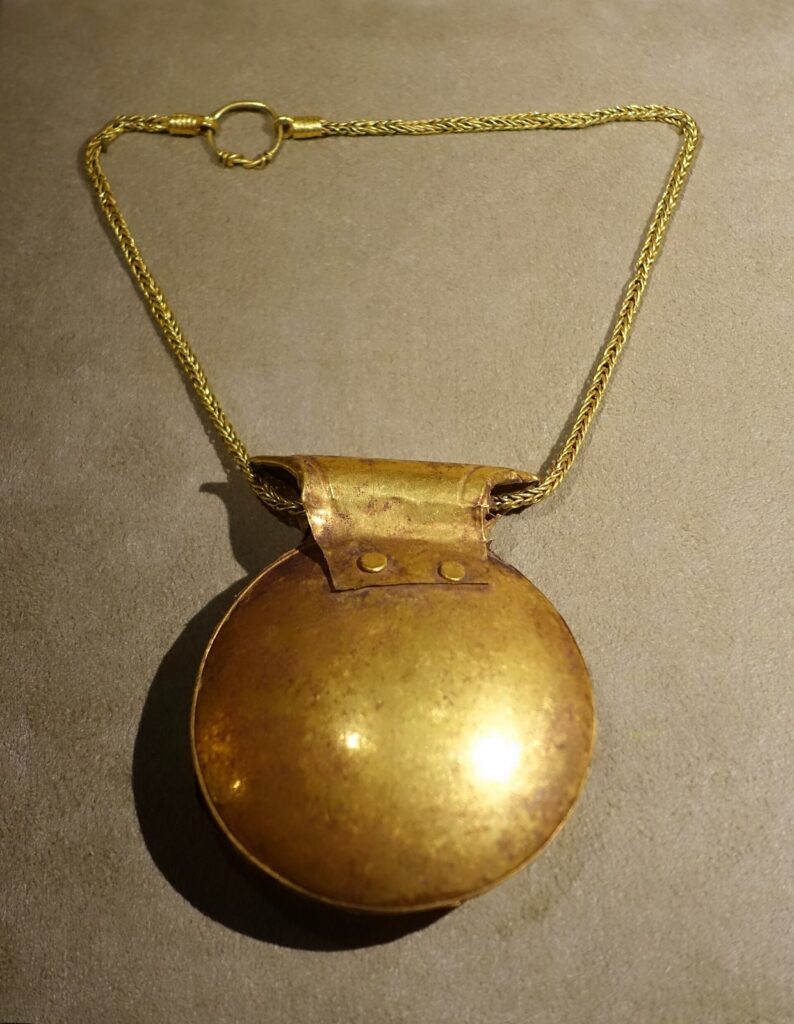
Ephesus Phallus Sculptures and Charms
Many guests ask about the Ephesus phallus, so let me answer plainly. For the Greeks and Romans the phallus was not rude, it was lucky. They called the charm a fascinum, and wore it as a pendant or a ring, carved it on walls and shaped it on lamps. They believed it turned the evil eye away, and that even laughter at the sight of it took the power out of an envious look.
The god connected with it is Priapus, the god of gardens and fertility who guarded herds and bees too. His statue stands in the Ephesus Museum, and I always show it for my guests with a smile. I wrote more about him in Phallus symbols and Priapus of Ephesus. By the way, a charm was even hung under chariot of a victorious general, to protect him on his big day.
Bells and the Eye at the Door
Bells were charms too. In the Roman world little bronze bells, called tintinnabula, hung at doors and in gardens, often together with a winged phallus. The ringing in wind was believed to scare bad luck away. I have no bell from Ephesus to show you, but the custom belonged to the whole Roman world, so I think Ephesians knew it also.
The eye is the oldest worry of all, it is the fear of an envious look. Glass eye beads were known around the Mediterranean for a very long time, and the blue Turkish nazar bead is their best-known child. I tell the whole story in my post on the Turkish evil eye and symbols.
The Bee of Ephesus
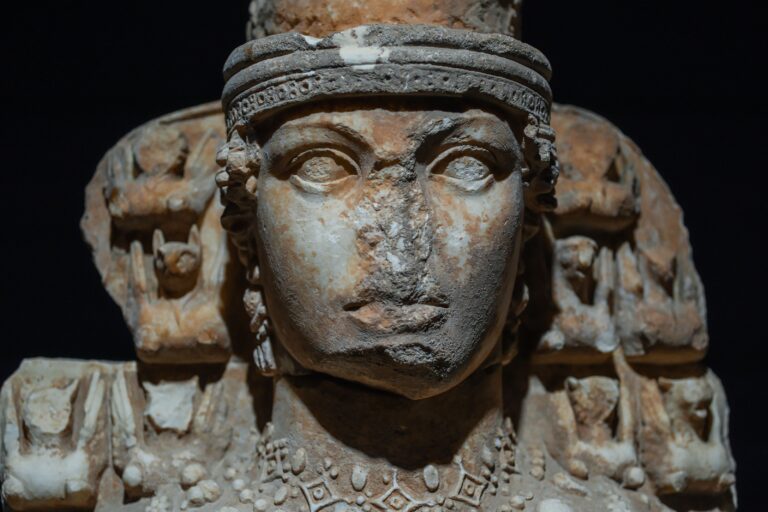
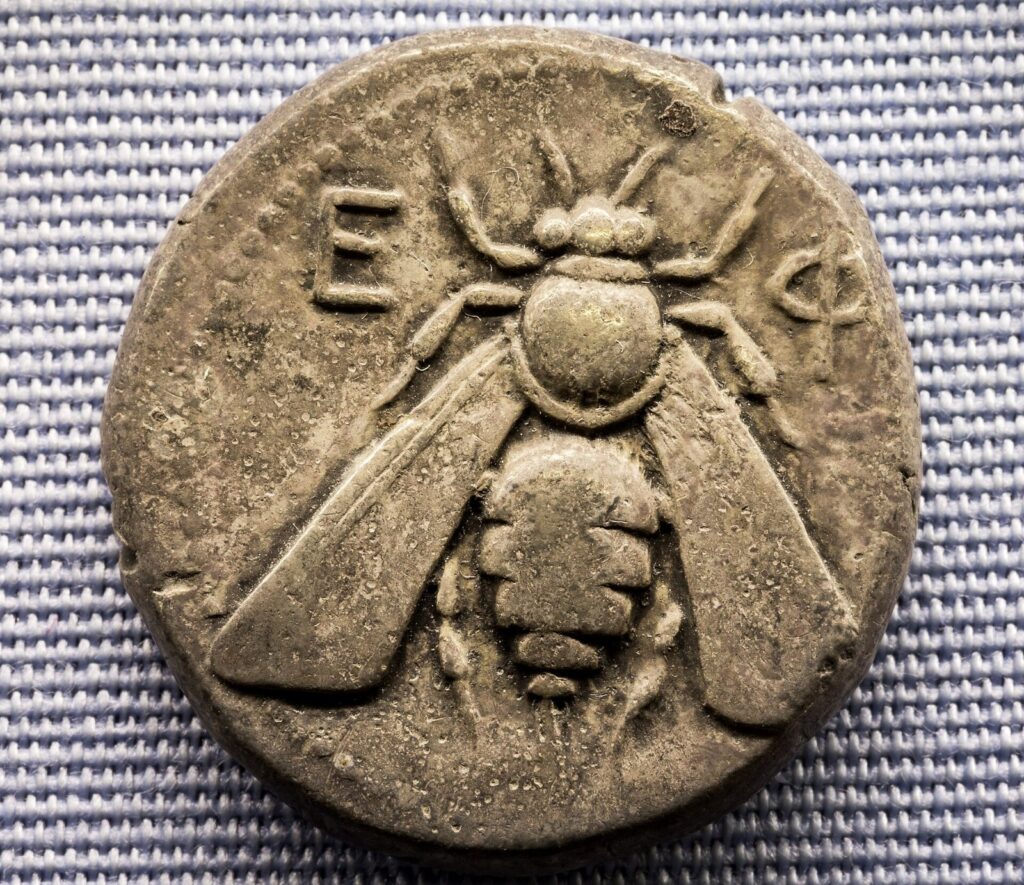
The bee is the symbol of Ephesus, and the one charm that belongs only to this city. It is on the coins from about 550 BC, often with the stag and the palm tree of Artemis, and it sits on the dress of the great Artemis statue in the museum. The priestesses of the goddess were also called bees too. My post on the stories behind Ephesus coins shows more of them.
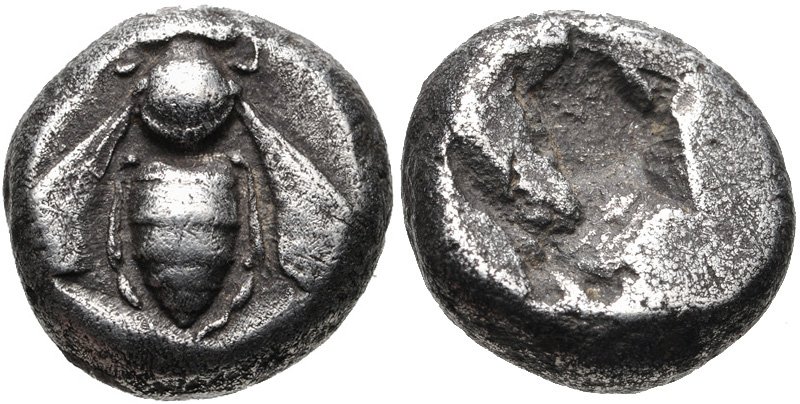
A bee on a coin was both the mark of the city and a good-luck sign. Today you can find pendants copied from the old bee coins. In the museum I like to stop my guests in front of the Artemis statue and ask them to count the animals on her dress, and the small bee is the one that most of them miss.
Ephesian Letters Worn as Charms
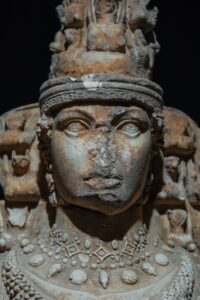
Ephesus gave its name to a charm made of words. The Ephesian Letters were six strange words, said to be written on the feet, belt and crown of the statue of Artemis. Their power was believed to be in the sound, so they worked only if said correctly. In my post on Ephesia Grammata I give the words and their meaning.
People wrote the words on small scraps and wore them on a belt or tied them round an ankle. An old story tells of an Ephesian wrestler at Olympia who could not be thrown while the letters were tied to his ankle, and who fell again and again when they were taken off. The wider story of magic in the city is in Magic in Ancient Ephesus and Asia Minor, and the Book of Acts tells that believers in Ephesus burned their magic scrolls, worth fifty thousand pieces of silver.
Frequently Asked Questions
Was there a phallic festival in Ephesus?
I know of no phallic festival at Ephesus. The charms were everyday objects on pendants, lamps, rings and doorways, so they needed no festival. Priapus has a statue in the Ephesus Museum, and that is the place to see him.
What do ancient amulets mean?
Almost all of them mean protection against envy, illness or bad luck. The eye, the phallus, the bell and the written words were all aimed at the same fear, the harm that comes from another person’s look or word.
Where can I see amulets and charms in Ephesus?
The Ephesus Museum in Selçuk is the best place, with the Priapus statue and the bee on the Artemis statue. The coins are in the same museum, and the museum sits in the center of Selçuk, a few minutes by car from the ruins. Ask your guide to slow down there, because the objects are small and easy to pass.
Hire Ephesus Tour Guide
I am a nationally licensed Turkish tour guide based in Kuşadası, nearby Ephesus. My day guiding is in Ephesus, İzmir and Pamukkale, and on a longer journey my national license lets me join you as your personal guide in other regions. If small objects and old beliefs interest you, tell me, and we will look for them together.
You can see my guiding rates and guiding areas, or write to me through my contact page to ask about my availability.
I hope we will look for the bee of Ephesus together one day. You can always write to me with your questions about Ephesus and its old beliefs. See you soon, Hasan Gülday.