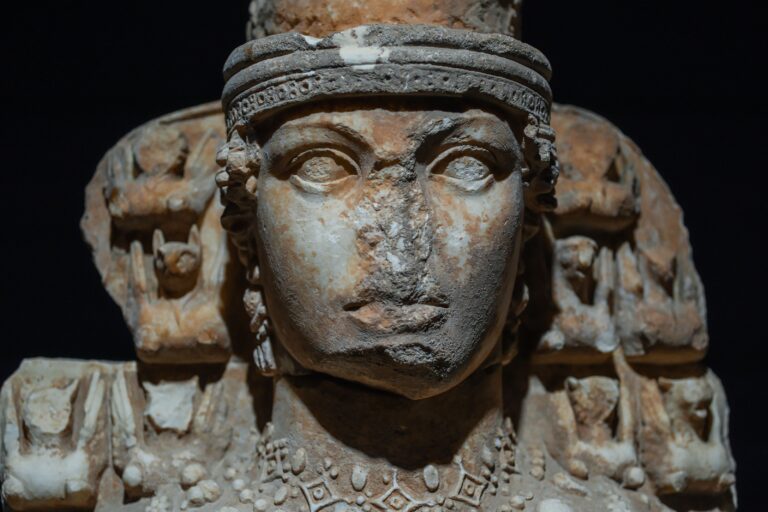
Most ancient sculptures lost their noses by accident. The nose sticks out from the face, so it is the first part to snap when a marble statue falls, gets moved or weathers for centuries. A small number were damaged on purpose, and the Ephesus Archeological Museum has some clear examples.
Add Tours Around Turkey as a preferred source on Google

Probably many people have asked themselves this question before. What Happened to Ancient Sculptures Noses? If you have visited a museum before, you may have seen ancient sculptures with missing noses, as in many busts currently in the Ephesus Archaeological Museum. A shattered or missing nose is a common feature of ancient sculptures from all cultures and all time periods of ancient history. So, it’s not limited to sculptures of a particular culture or era.
Why Do Ancient Sculptures Lose Their Noses?
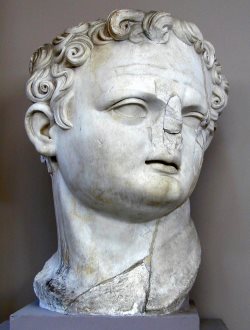
It is true that several ancient sculptures were deliberately damaged by people at different times for different reasons. However, the deliberate destruction of this marble head is an exception. In fact, the reason for most of these statues’ missing nose has nothing to do with humans. It’s all about the natural wear that the sculpture has been subjected to overtime. Ancient sculptures are thousands of years old and all undergo significant natural wear over time. The sculptures we see in museums today exposed to time and other factors. Parts of sculptures that stick out, such as the nose, arms, head, and other limbs, are almost always the first to break. Other parts that are more securely attached, such as the legs and torso, are generally more likely to remain intact.
Were Statue Noses Broken on Purpose?
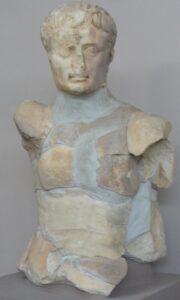
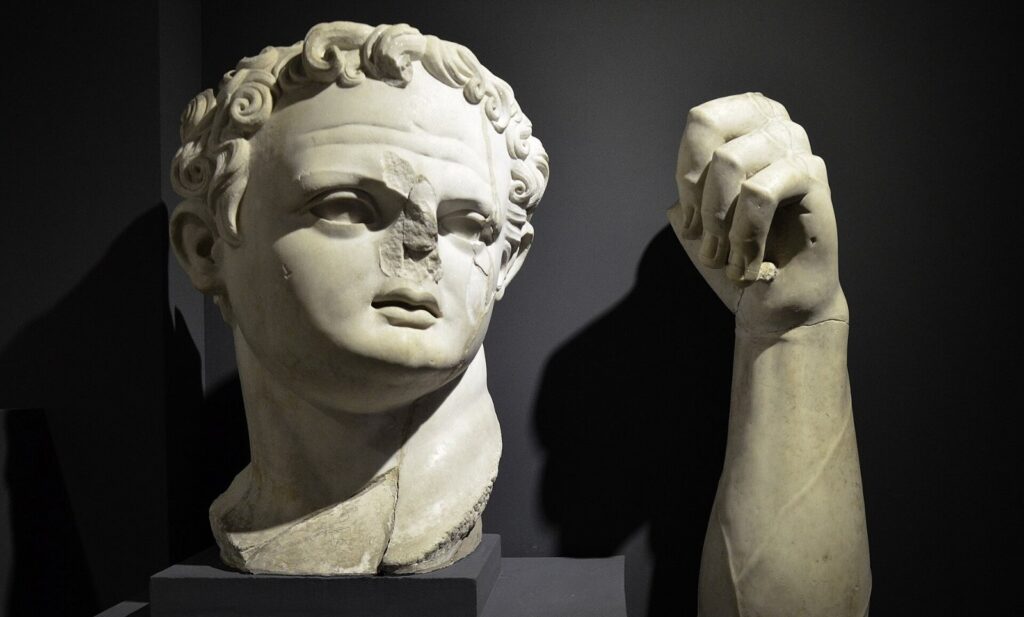
Sometimes, yes. After the emperor Domitian was killed in 96 AD, the Senate condemned his memory and his statues were pulled down. Ephesus has another example. Statues of Augustus and his wife Livia were broken in the Early Byzantine period, and crosses were cut into their foreheads.
I recommend my guests to look for small cross on the forehead of Augustus in the Ephesus Archeological Museum. The giant head of Domitian has a patched nose, and the patch is still easy to see.
Most breaks were still accidents. Ephesus was hit by earthquakes more than once, and a statue that falls forward lands on its face. Many others lay under rubble for centuries before somebody dug them up. In many places marble was also burned for lime, so a statue that survived was a lucky one.
Frequently Asked Questions
What is damnatio memoriae?
It is Latin for condemnation of memory. After an emperor was hated or overthrown, the Senate could erase his name from inscriptions and have his statues pulled down or defaced, as it did with Domitian in 96 AD.
Can a broken statue nose be repaired?
Yes. For centuries restorers added new noses to ancient busts. Some museums have taken those noses off again and show the break as it is, because the damage is part of the statue’s history.