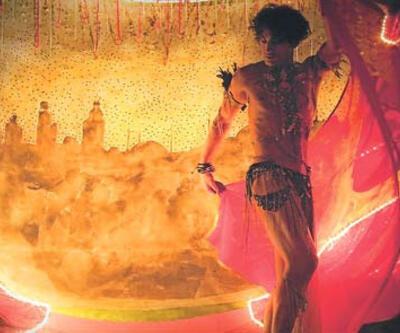
Today, male dancers working as belly dancers are called Zenne. Zenne is the name given to men in traditional nomadic Turkish traditions who traditionally dance in a feminine way in women’s clothing at festivities or weddings for fun. They perform in traditional costumes, including flowing skirts and veils, and use the same movements and techniques as female belly dancers.
Add Tours Around Turkey as a preferred source on Google
Traditionally, Zenne dancers are men who performs for women at private events such as henna nights which are organized for the bride and her friends before the wedding.

Zenne means woman in Ottoman Turkish and is a word of Persian origin. Since it was considered a sin for Muslim Turkish women to appear on the stage in the pre-republican era, male actors played female roles in all theater performances. Today, male belly dancers are also called zenne too.
Zenne dancers of Turkey symbolize an influential cultural tradition that is slowly being rediscovered and brought back to life by a new generation of male dancers. Zenne dancing is a powerful way of expression, challenging traditional gender roles and society’s expectations. Zenne dancers have found a way to embrace their identities and express themselves through their interesting dance. Despite the challenges that they face, Zenne dancers continue to push boundaries and break down barriers through their art of dancing.
What Are Köçek and Tavşan?
Köçek and tavşan are the older Ottoman names for these dancers. Köçek comes from a Persian word that means “small” or “young”. Because of their quick steps and high leaps, people nicknamed them tavşan, which means rabbit. They danced in troupes, together with their own musicians.
Where Did Köçek Dancers Perform?
Köçek dancers performed at Ottoman court and at the big public festivals, and families invited them to weddings and circumcision feasts. A miniature made for the history of Sultan Süleyman the Magnificent shows two young dancers with their musicians at the circumcision festival of his sons in 1530.
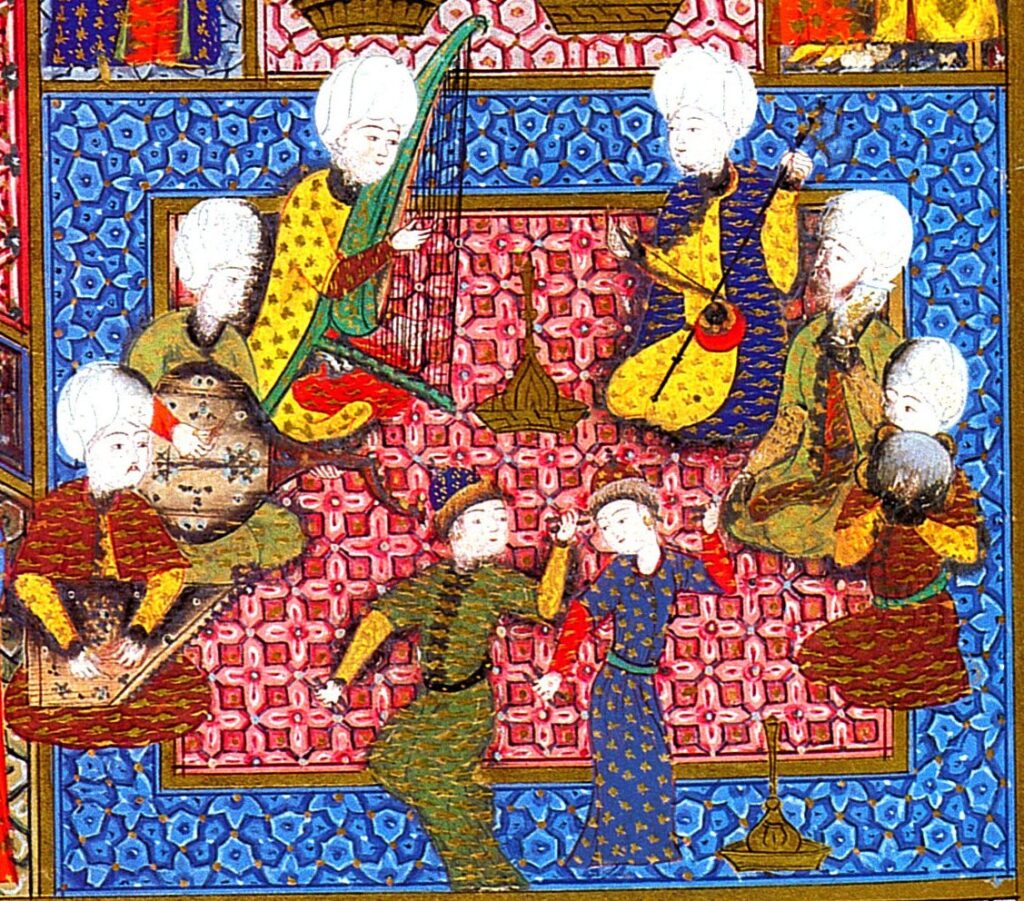
Two centuries later, the court painter Levnî painted the köçek dance again at the 1720 festival for the sons of Sultan Ahmed III in Istanbul.
Zenne Costume and Köçekçe Music
The old costume was colorful: a small embroidered velvet jacket, a silk shirt, baggy trousers, a long full skirt and a gilded belt, with a little cap decorated with coins. Also, the dancers wore their hair long and kept time with çarpare, castanet-like clappers held in the hands. The musicians played fiddles such as the kaba kemençe, drums and sometimes a zurna.
Zenne Dance Today
Today the zenne dance and the köçek dance are still performed in Turkey in folk style, on stage and at celebrations. The old dance tunes also reached the concert hall. In 1943 the composer Ulvi Cemal Erkin wrote a Köçekçe for orchestra, which is a well-known piece today.
Frequently Asked Questions
What is the zenne meaning in Turkish?
Zenne means woman in Ottoman Turkish. For dancers it names the men who perform in a colorful costume, in the style of the old köçek dancers.
What is köçekçe music?
Köçekçe is the dance music of the köçek. It is played as a lively suite in one makam, the Turkish melodic mode, with drums and small cymbals keeping the rhythm.
Why were köçek dancers called rabbits?
The nickname tavşan, which means rabbit, came from their lively steps and high leaps. It was a popular name among the people, not an official title.