Some unknown facts about Ephesus are hidden in plain sight. The Library of Celsus is also a tomb, the gate next to it is more than a century older than the library, and a famous doctor of the Roman Empire was born in Ephesus. The ten facts below come first, and you will find a few more after them.
Add Tours Around Turkey as a preferred source on Google
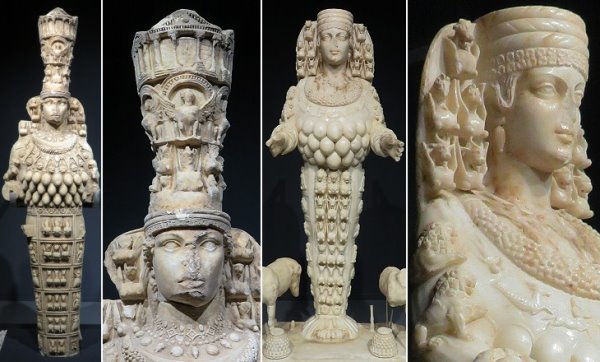
- Ephesus was renamed as Arsineia for a short while by Lysimachus who was a general of Alexander the Great. The City was named Ephesus again after the death of Lysimachus in the battle of Corupedium in 231 BC.
- Ephesus with the population of 250.000 people was the second biggest city in the Roman Empire.
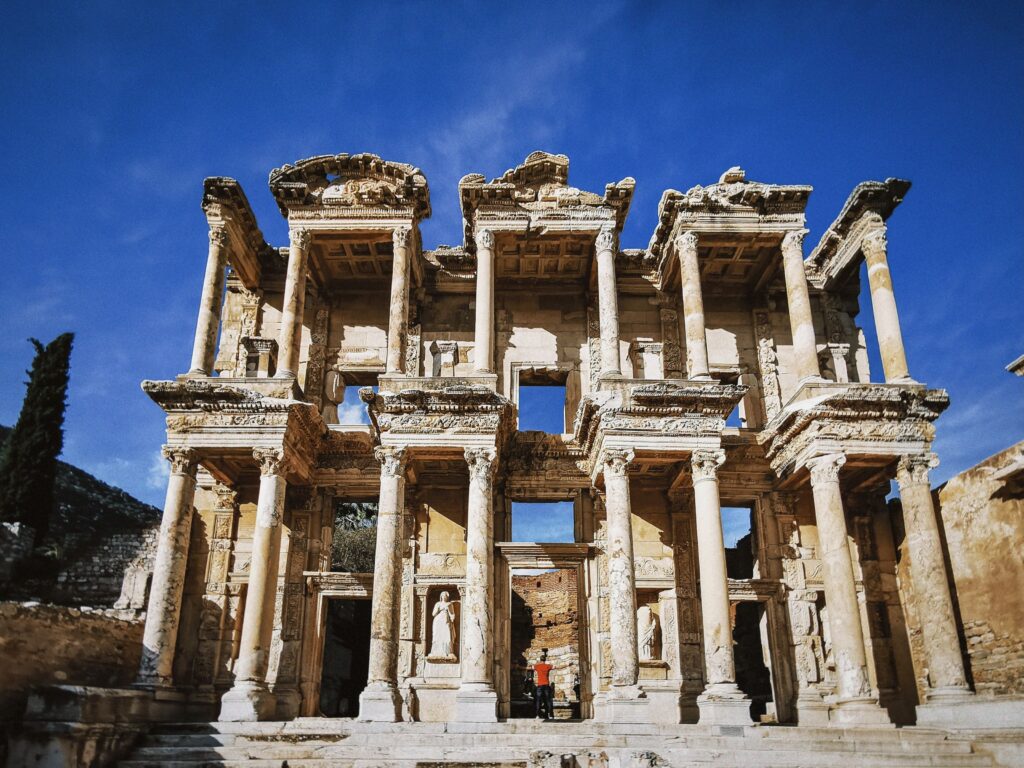
- Celsus library is one of the best examples of forced perspective in the ancient architecture. The Library has a row of thick columns in the bottom and thinner ones on the second floor.
- The Temple of Artemis in Ephesus was the first ever all fully marble made building in the world.
- Ephesus today is one of the most important Christian pilgrimage destinations of the world.
- Library of Celsus in Ephesus was the third biggest library in the ancient world with 12.000 scrolls.
- Ephesians used to speak Ionian Greek back in the times when Ephesus was alive.
- History of Ephesus goes back to the 10th century BC.
- Apostle Paul wrote the letter to Ephesians while he was jailed in Rome in the year 62.
- Ephesus was destroyed and rebuilt several times in history.

Who Is Buried Inside the Library of Celsus?
The Roman senator Tiberius Julius Celsus Polemaeanus is buried inside the Library of Celsus, in a decorated marble sarcophagus in a crypt under the apse. His son Julius Aquila built the library in his memory, so the building is a library and a tomb together.
The walls of the book niches were double, with a gap between the two layers. It probably helped to keep the humidity and the heat away from the scrolls.
Later an earthquake threw the front down, and it was laying in pieces for centuries. The facade you see today was rebuilt between 1970 and 1978 from the fallen blocks. I wrote about the excavations and restorations of the library in another article.
Which Gate Stands Next to the Library of Celsus?
The Gate of Mazaeus and Mithridates stands next to the Library of Celsus. It was built in 4 or 3 BC as main entrance of the Commercial Agora, so it is more than a century older than the library. The inscriptions on it name Augustus, his wife Livia, his daughter Julia and her husband Agrippa, together with two men called Mazaeus and Mithridates, who probably paid for the gate.
Who Lived in the Terrace Houses of Ephesus?
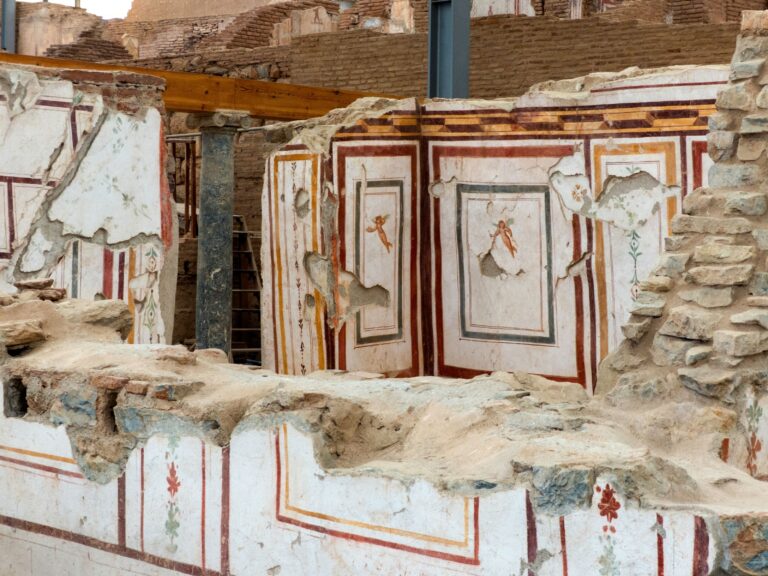
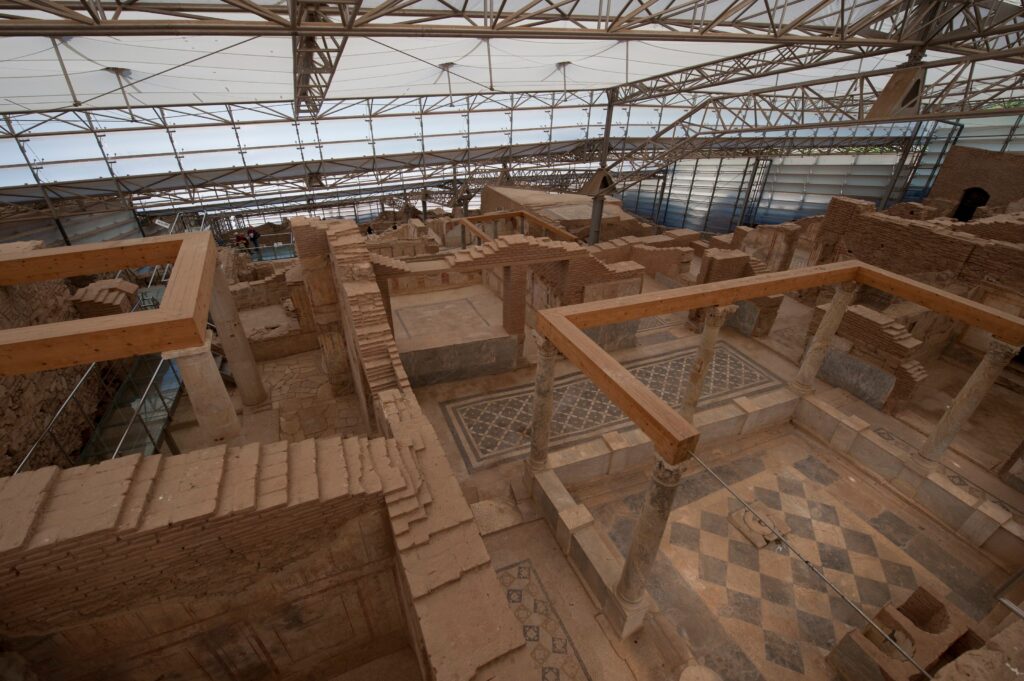
Rich families lived in the Terrace Houses, so people also call them the Houses of the Rich. They are luxury homes built on three terraces, on the slope opposite the Temple of Hadrian. The oldest one goes back to the 1st century BC, and some were lived in until the 7th century AD. The floors have mosaics and the walls have frescoes.
Most tours start at the Upper Gate and walk downhill, so you reach the Terrace Houses on the way to the Library of Celsus. Besides, a modern roof protects them from rain too. Please keep it in mind that the Terrace Houses are not wheelchair accessible.
Who Was Soranus of Ephesus?
Soranus of Ephesus was a Greek doctor of the 1st and 2nd centuries AD. He was born in Ephesus and worked in Alexandria and then in Rome, in the time of the emperors Trajan and Hadrian.
His best known book is the Gynecology, it has four volumes about the health of women. It was still copied and translated into Latin about four centuries later, in the 6th century.
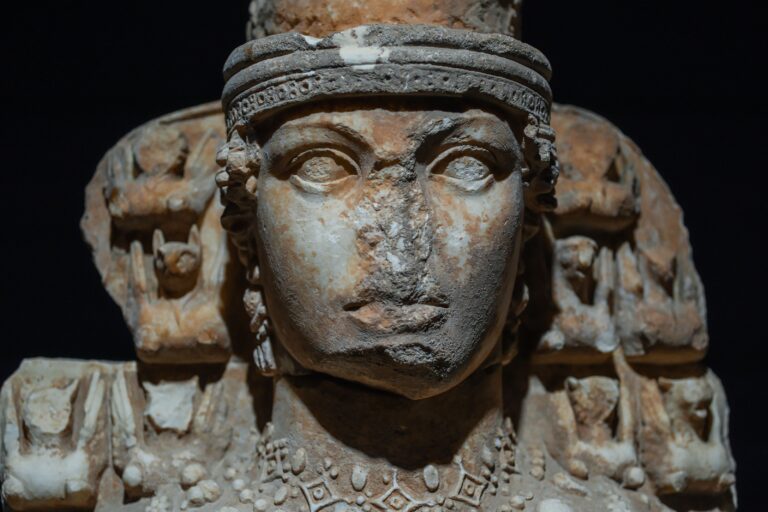
I hope you liked these facts. Also, my 10 intriguing facts about Ephesus are about the Temple of Artemis, its strange statue and the Seven Sleepers too.
Frequently Asked Questions
How old is the Library of Celsus?
The Library of Celsus is about 1,900 years old. The work started in the 110s AD, and the building was finished in the reign of Emperor Hadrian. A fire destroyed the inside in 262 AD, and the scrolls were lost.
Is Ephesus a UNESCO World Heritage Site?
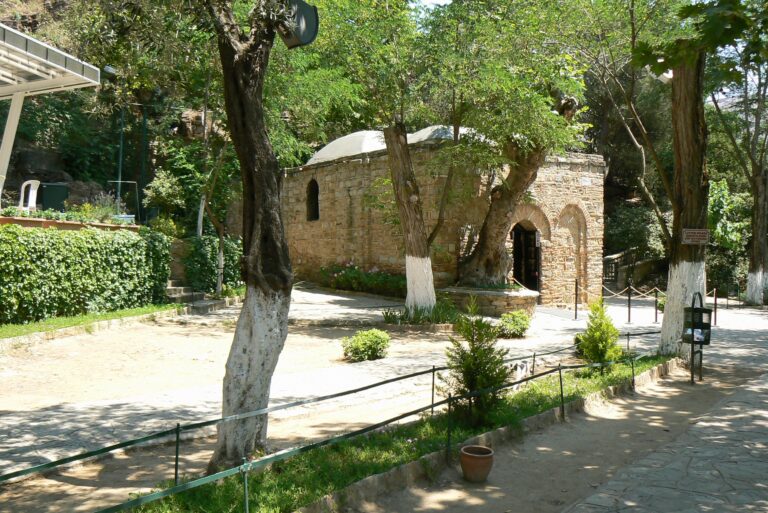
Yes. UNESCO added Ephesus to the World Heritage List in 2015. It has four parts: the ancient city, Ayasuluk Hill with the Basilica of Saint John, the House of the Virgin Mary, and the Çukuriçi Mound, a settlement from the Neolithic age.
Is Ephesus mentioned in the Bible?
Yes. Acts 19 tells the story of Paul in Ephesus, and Revelation 2:1-7 has the letter to the Church of Ephesus. You can read more in my article about what happened in Ephesus in the Bible.