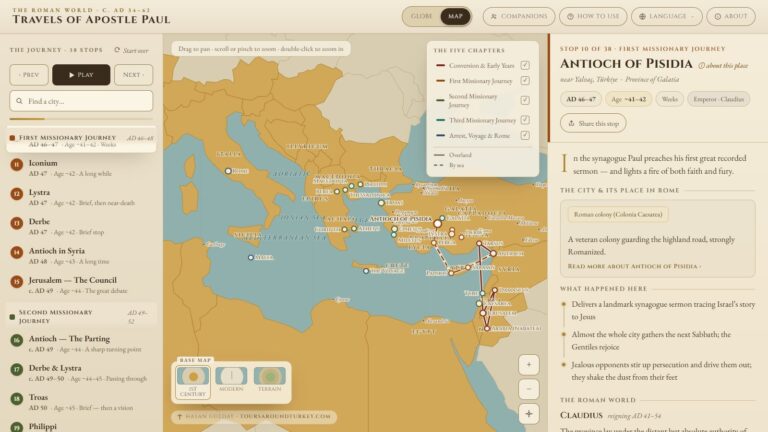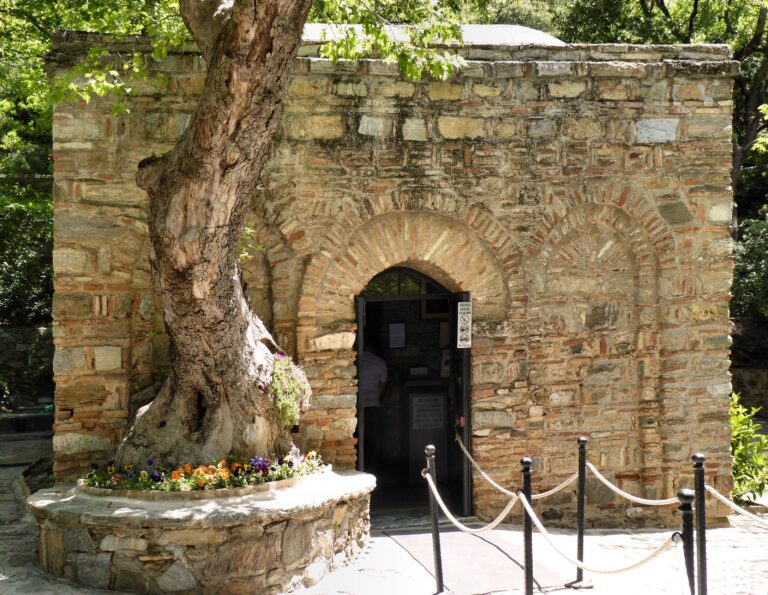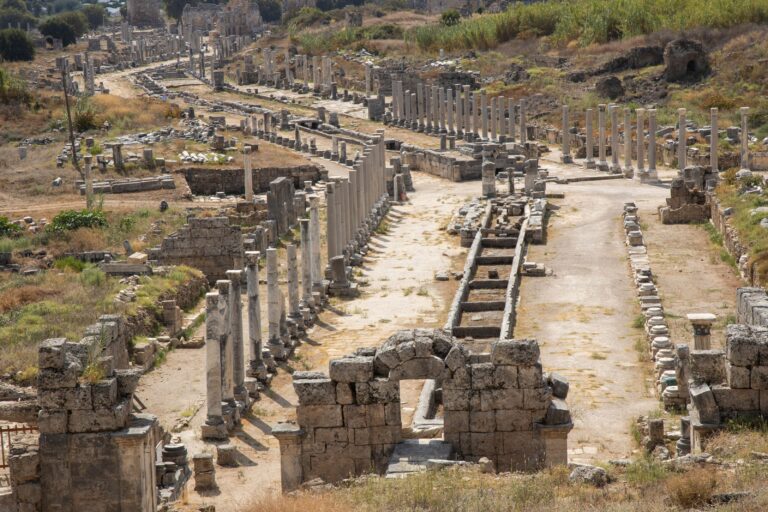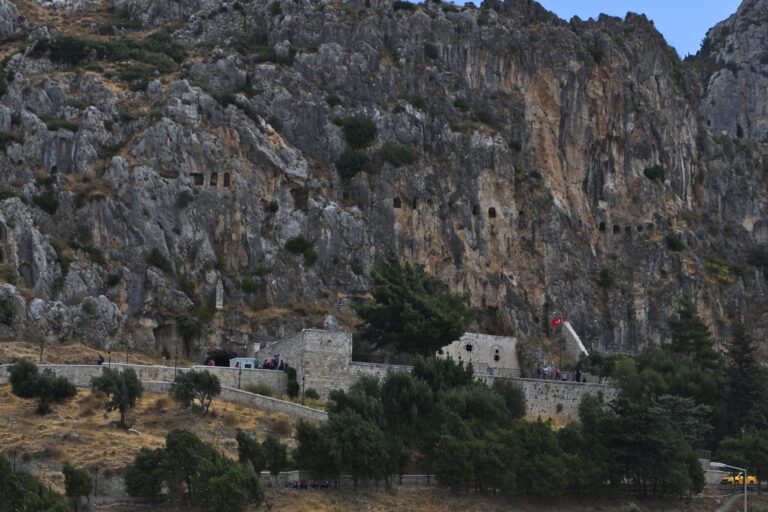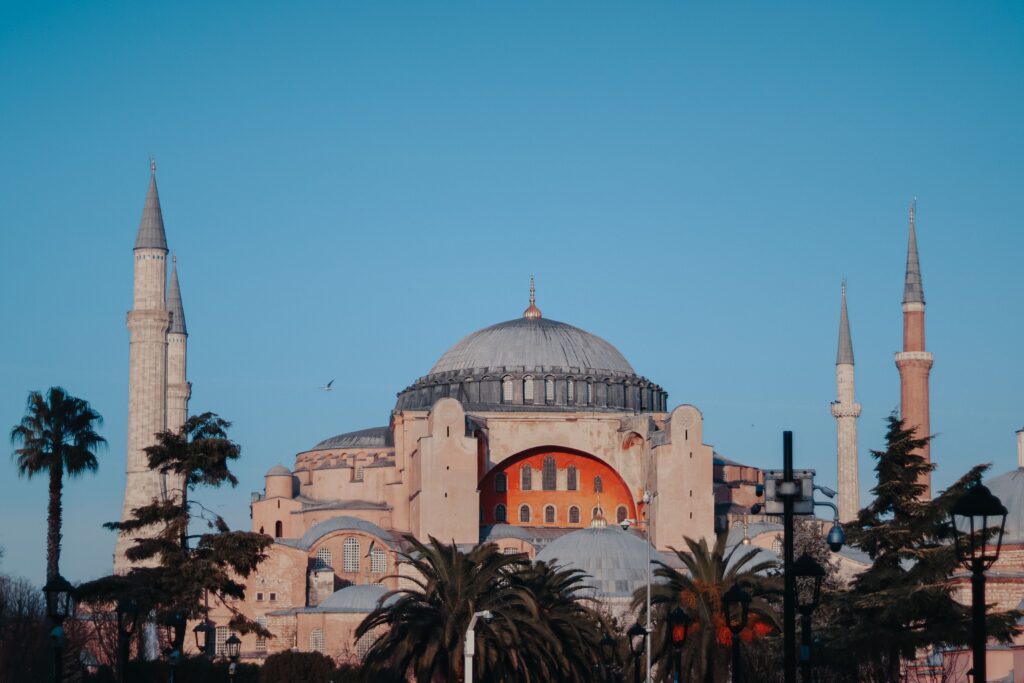
The biblical sites in the Marmara Region of Turkey stretch from the Troad coast to Istanbul. Two of my seven picks appear in the Book of Acts: Alexandria Troas and Assos, both in Çanakkale Province. The other five belong to church history: İznik, and in Istanbul Hagia Irene, Hagia Sophia, the Chora Church and the Phanar Patriarchate. Six of the first seven ecumenical councils also met in this region.
Add Tours Around Turkey as a preferred source on Google
Biblical Sites in the Marmara Region
The Marmara Region is the area around the Sea of Marmara. It includes Istanbul, Bursa Province, where İznik is, and Çanakkale Province, where Troas and Assos are. Çanakkale looks out to the Aegean but it is counted as part of Marmara. Assos is a border case, because geographers give the Gulf of Edremit coast to the Aegean Region. I keep it here since it belongs to the same journey of Paul as Troas.
Let’s have a look at the councils too. Nicaea hosted two of the first seven ecumenical councils, Constantinople three, and Chalcedon, today’s Kadıköy in Istanbul, one. Only Ephesus, on the Aegean coast, was outside the region. See my article on the seven ecumenical councils for the whole list.
Troas and Assos in the Book of Acts
1. Alexandria Troas
Alexandria Troas was the Roman port where Paul saw a vision of a man of Macedonia saying, “Come over into Macedonia and help us” (Acts 16:9, WEB). Later, on his third journey, Paul stayed seven days here and young Eutychus fell from a third-floor window while Paul kept speaking late into the night (Acts 20:5-12). I told this story in my article on miracles in Asia Minor during the apostolic age.
The ruins lie nearby the village of Dalyan, in Ezine district. Look for the big bath and gymnasium complex that people call Bal Saray, the Honey Palace. By the way, the old Turkish name of the site is Eski Stambul, which means Old Istanbul. More places of Paul are in my article on the cities Paul visited in Asia Minor.
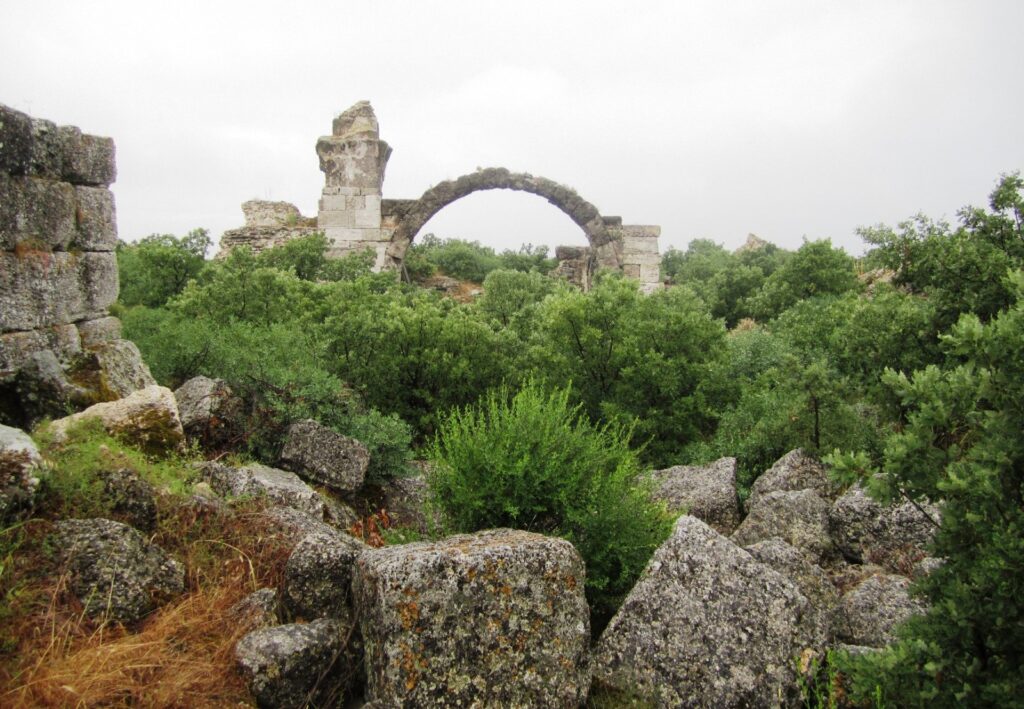
2. Assos
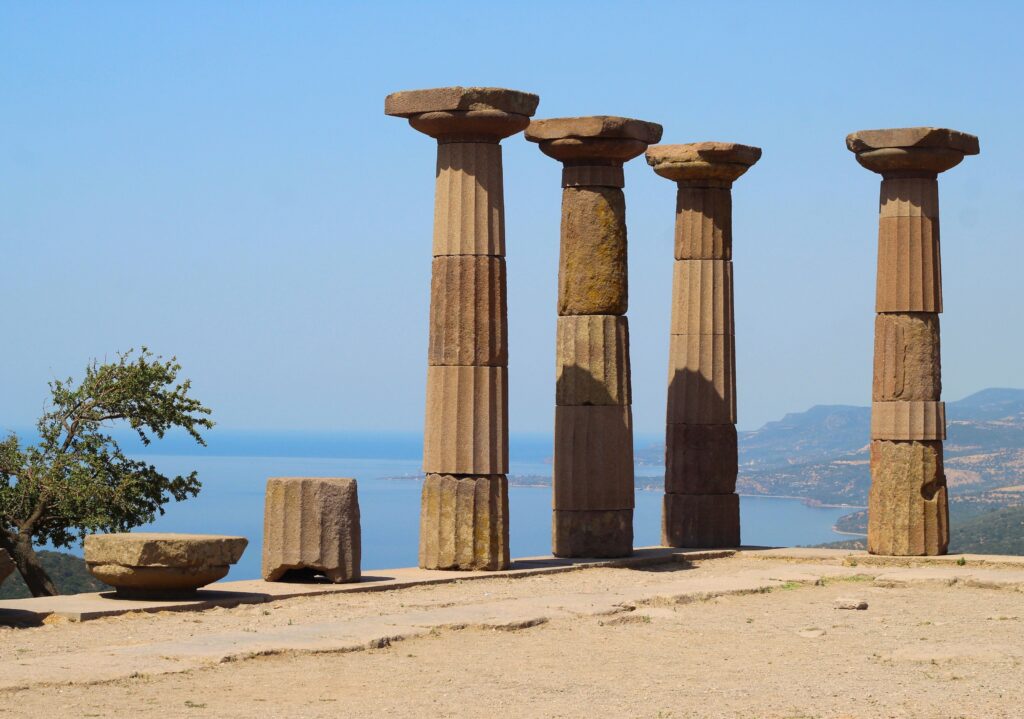
On the same journey Paul walked from Troas to Assos, while his friends sailed ahead to pick him up there. Then they all went on to Mitylene (Acts 20:13-14). Assos is today the village of Behramkale, in Ayvacık district. Temple of Athena on the hilltop dates to the 6th century BC, and from its columns you see the sea and the island of Lesbos. Assos is also on Turkey’s UNESCO tentative list since 2017.
When guests ask me where else Paul walked, I tell them about Troas and Assos. In addition, you can read my older article about Assos ancient city.
Church Councils in İznik and Istanbul
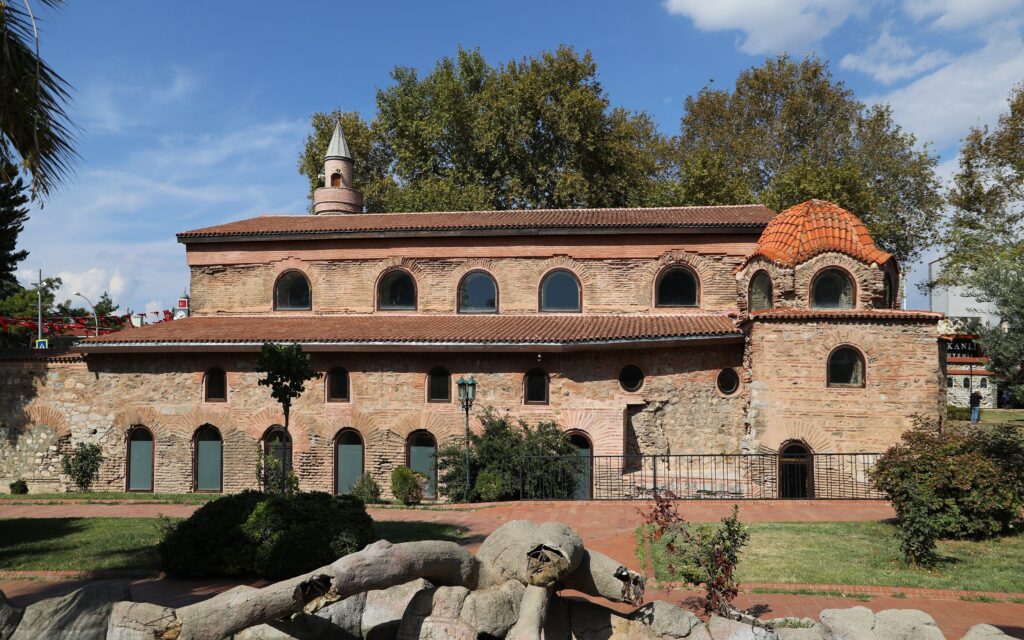
3. Hagia Sophia of İznik
İznik is ancient Nicaea, in Bursa Province, and Nicaea lay in Bithynia, one of the places Peter names in his first letter (1 Peter 1:1). Emperor Constantine called the First Council of Nicaea here in 325. It met in the imperial palace and gave the first form of the Nicene Creed. The Second Council of Nicaea met in 787 in the church of Hagia Sophia.
That church is a mosque today, and the buidling you see was rebuilt around 1065. The old city walls, once about five kilometers long, still make a good walking route.
4. Hagia Irene
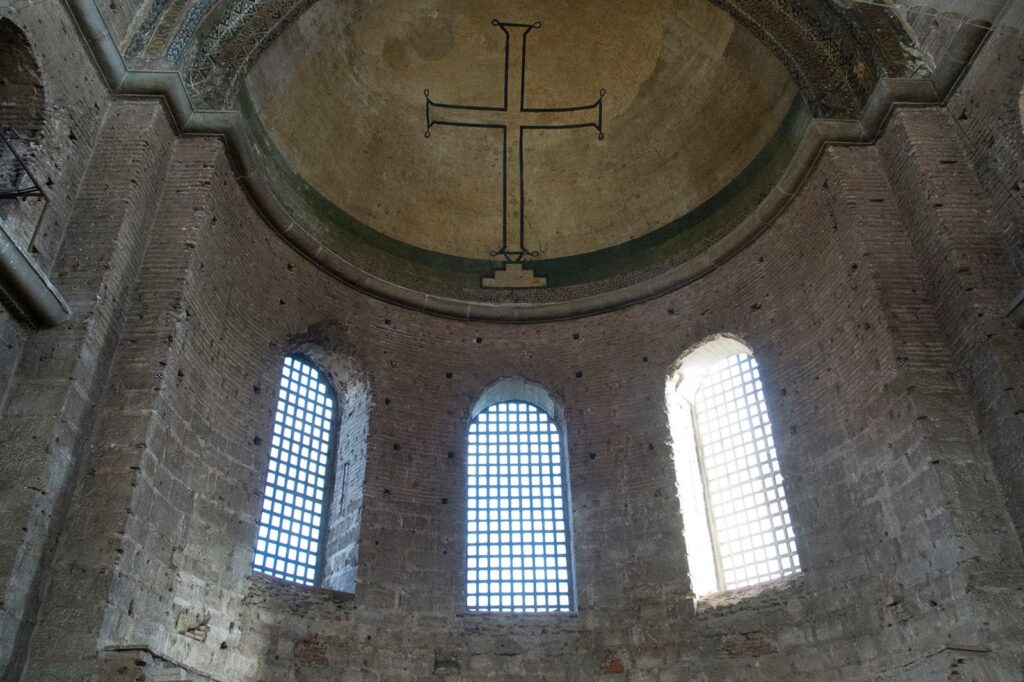
Hagia Irene stands in the outer courtyard of Topkapı Palace in Istanbul. The First Council of Constantinople met in church on this spot from May to July 381 and completed the Nicene Creed. The building you see was rebuilt in the sixth century after the Nika riot, and again after the earthquake of 740. Look for the large plain cross in the apse, from the iconoclast period.
Hagia Sophia, Chora and the Patriarchate
5. Hagia Sophia in Istanbul
Hagia Sophia was the great church of Constantinople until 1453. Emperor Justinian built it between 532 and 537, and the dome is about 31 meters wide and 55.6 meters above the floor. Look for the mosaic of the Virgin and Child in the apse. Today it is a mosque again, since 2020, so please check the visiting rules before you go. I also have an older article about the Hagia Sophia mosque too.
6. Chora Church
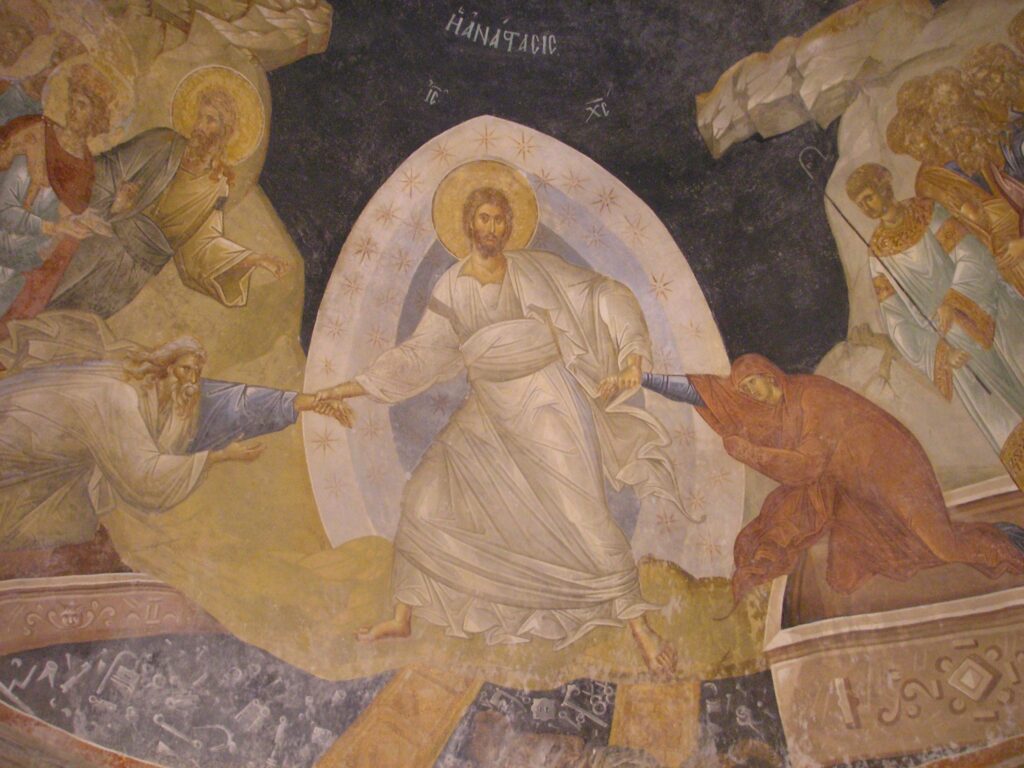
The Chora Church, also called Kariye, is famous for its Gospel scenes in mosaic and fresco. The statesman Theodore Metochites paid for the decoration between about 1310 and 1317. In the outer narthex look for the Nativity, the journey of the Magi and the flight into Egypt. In the side chapel the Anastasis fresco shows Christ pulling Adam and Eve out of their tombs. It became a mosque again in 2020, so check the rules for visitors.
7. Phanar Patriarchate
The Patriarchal Church of Saint George in the Phanar district has been the seat of the Ecumenical Patriarch since 1597. He is the first among equals of the Orthodox bishops. The church looks modest outside, inside it is richly decorated.
Look for the patriarchal throne, believed to date to the fifth century, and for relics of Saint John Chrysostom and Saint Gregory the Theologian, part of which Pope John Paul II gave to the Patriarch in 2004. More places like this are in my article on the top 12 Christian sites in Istanbul.
Frequently Asked Questions
Is Istanbul in the Bible?
No, Istanbul is not named in the Bible. In Paul’s time the city was called Byzantium, and Constantine refounded it in AD 330 as his new capital, later known as Constantinople. So the Istanbul sites in this list belong to church history, not to the New Testament story.
Did Luke join Paul in Troas?
Many scholars think so. The first “we” in the Book of Acts comes right after Paul’s vision at Troas (Acts 16:10), as if the writer joined the group there. Tradition says the writer was Luke, but the text does not say it directly.
Where was the Council of Nicaea held?
In İznik, ancient Nicaea, in Bursa Province. The First Council of Nicaea met in 325 in the emperor’s palace there. The Second Council of Nicaea met in 787 in the church of Hagia Sophia, which stands today as a mosque.
Hire Biblical Tour Guide in Turkey
I’m a nationally licensed Turkish tour guide based in Kuşadası, nearby Ephesus. My day guiding is in Ephesus, İzmir and Pamukkale. For longer journeys in other parts of Turkey, such as the Marmara Region, my national license lets me join you as your personal guide.
You can see my guiding rates and guiding areas, or write to me through my contact page to ask about my availability.
I hope we will stand together one day on the hill of Assos and read the story of Paul’s walk. You can always write to me with your questions about the biblical sites of Turkey. See you soon, Hasan Gülday.