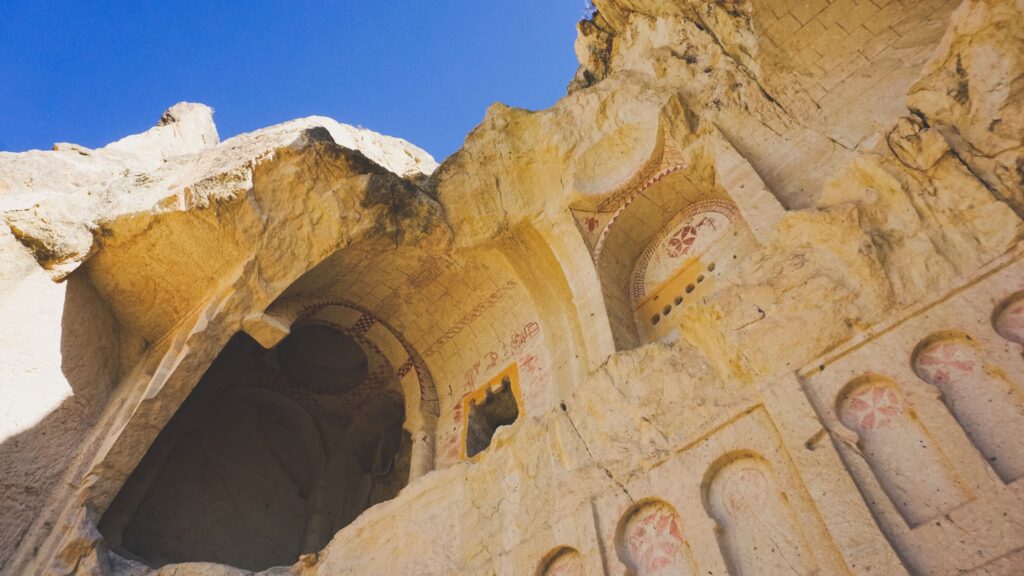
The Cappadocian Fathers were three Christian bishops of the 4th century: Basil the Great, his younger brother Gregory of Nyssa and their friend Gregory of Nazianzus. They are called Cappadocian because they came from Cappadocia, in today’s central Turkey. They explained God as one essence in three persons, and this teaching shaped the creed linked to the Council of Constantinople in 381.
Add Tours Around Turkey as a preferred source on Google
Asia Minor was the homeland of many important Christian people, but these three gave the Eastern church many of its words about the Trinity. Let’s have a look at each of them, and then at the places in Turkey where you can follow their story.
Basil the Great
Basil was born around 330 in Caesarea, the capital of the Roman province of Cappadocia. Today it is called Kayseri, which by the way is simply the Turkish form of Caesarea. Basil studied in Caesarea, Constantinople and Athens, and in Athens he became close friends with Gregory of Nazianzus. Years later Gregory wrote that they seemed to have “one soul, inhabiting two bodies” (Oration 43).
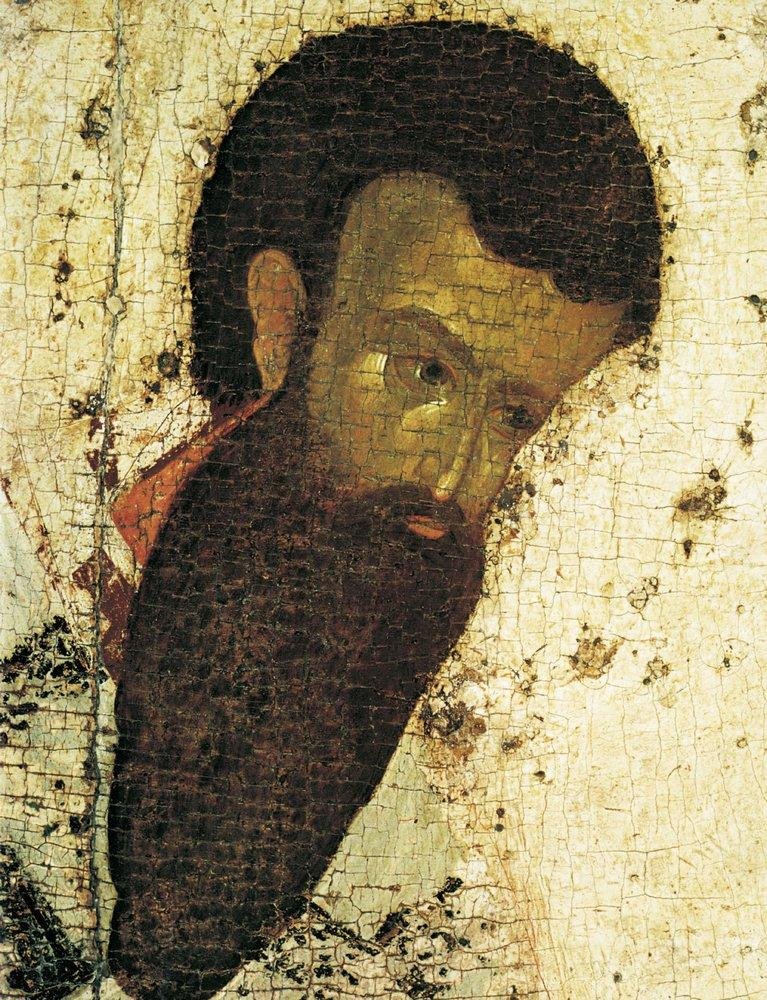
Basil then turned to monastic life and wrote teaching for monks that is still known as the Rule of Saint Basil. In 370 he was elected bishop of Caesarea. Outside the city he organized the Basiliad, a poorhouse, a guest house for travelers and a hospital in one place. Historians count it among the first Christian hospitals.
Basil died in January 379, in his late forties. Orthodox churches still celebrate the Liturgy of Saint Basil about ten times a year.
Gregory of Nazianzus
Gregory was born around 329 at Arianzus, nearby Nazianzus, in southwest Cappadocia. His father was the bishop of Nazianzus. Gregory did not want a church career, he was ordained a priest in 361 only because his father pushed him. Together with Basil he put together a collection of Origen’s writings called the Philocalia.
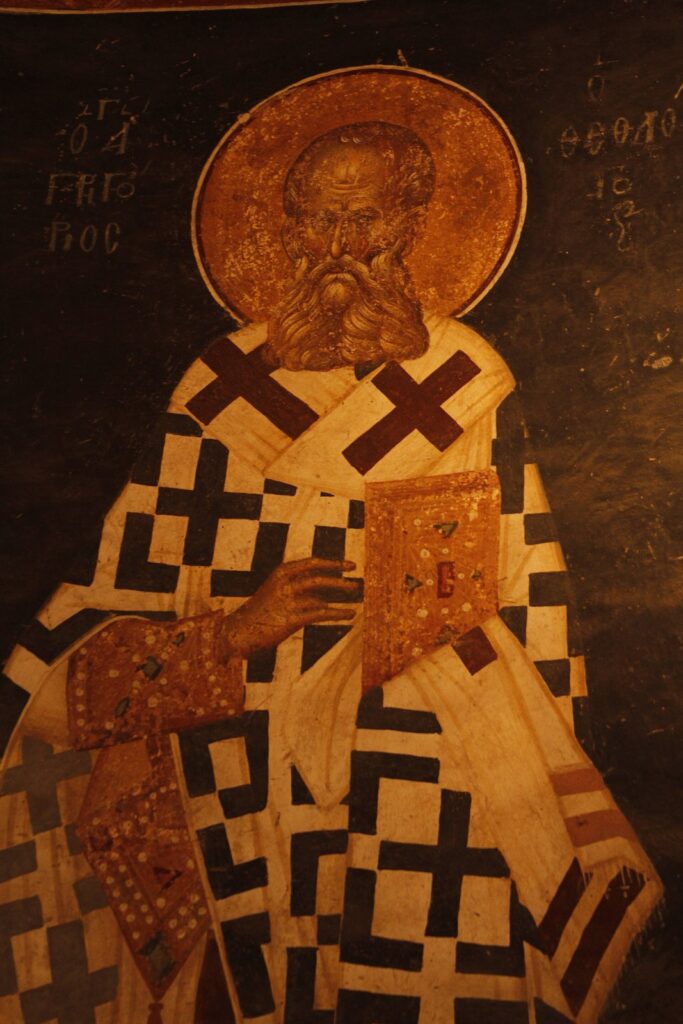
In 379 the Nicene Christians of Constantinople asked Gregory to lead them. Around 380 he preached his Five Theological Orations about the Trinity in a small church called Anastasia. Emperor Theodosius arrived in 380, and Gregory became bishop of the city. At the council of 381 he took the chair after Meletius of Antioch, its first president, died. But he resigned in the same year and went home.
Gregory died around 390. The Orthodox church calls him “the Theologian”, a title given to only three people: John the Apostle, Gregory and Symeon the New Theologian.
Gregory of Nyssa
Gregory of Nyssa was the younger brother of Basil, born around 335. He married and taught rhetoric before he became bishop of Nyssa, a small town in Cappadocia, in 372. A church synod removed him from his post in 376 after charges about church money, and he returned in 378.
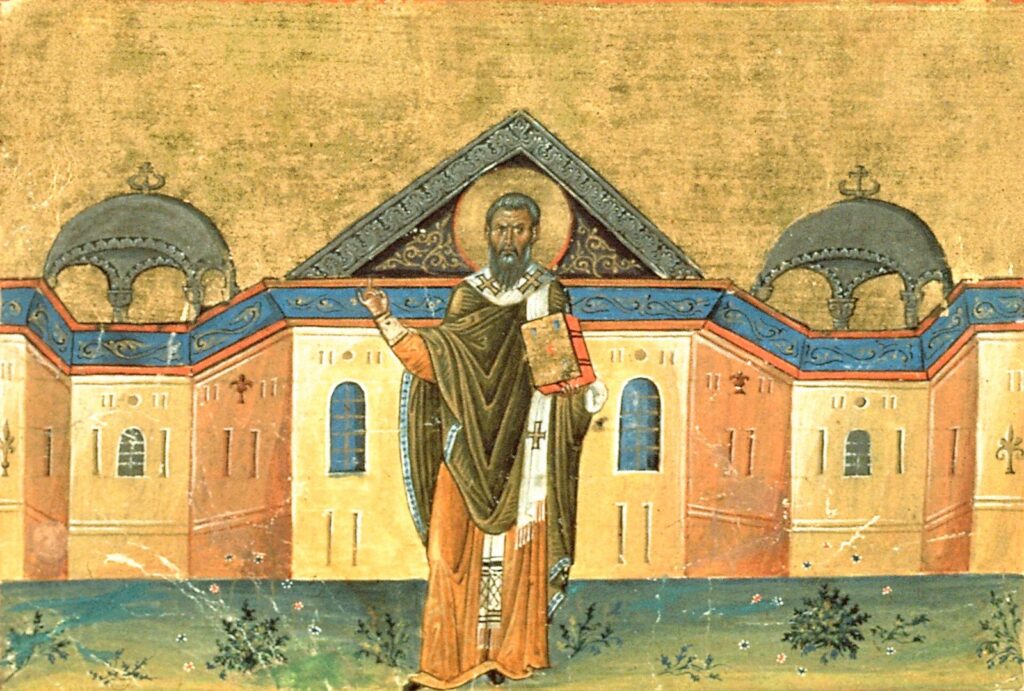
Gregory is often called the deepest thinker of the three. In his Life of Moses he reads the climb of Moses up Mount Sinai as a picture of the soul’s journey to God. His best-known idea is epektasis, the soul’s endless stretching forward toward God. God has no limit, so the soul never stops growing. I find this one of the most beautiful ideas in Christian theology.
Macrina, Their Sister
Their eldest sister Macrina, born around 327, was the teacher of the family. She turned the family estate at Annisa, on the Iris River in Pontus, into a community of prayer. After her death in 379, Gregory of Nyssa wrote her Life. He also wrote a dialogue, On the Soul and the Resurrection, in which the dying Macrina teaches him like Socrates. I always tell my guests that behind these famous brothers stands a woman.
What the Cappadocian Fathers Taught
The Council of Nicaea in 325 said that the Son shares one essence with the Father. About the Holy Spirit it said only “and in the Holy Spirit”. Christians argued about this for decades. The Cappadocians gave the answer that the Eastern church still uses: one essence and three persons. In Greek this is mia ousia, treis hypostaseis.
Basil defended the divinity of the Holy Spirit in his book On the Holy Spirit. In 381 Emperor Theodosius called about 150 bishops to Constantinople, and the Cappadocian teaching was very influential there. Gregory of Nazianzus led the council for a short time, and Gregory of Nyssa also took part in it too.
The creed linked to this council calls the Holy Spirit “the Lord and Giver of life”. Tradition says council met in Hagia Irene, which still stands in Istanbul. YOu can find all the councils in my article on the seven ecumenical councils.
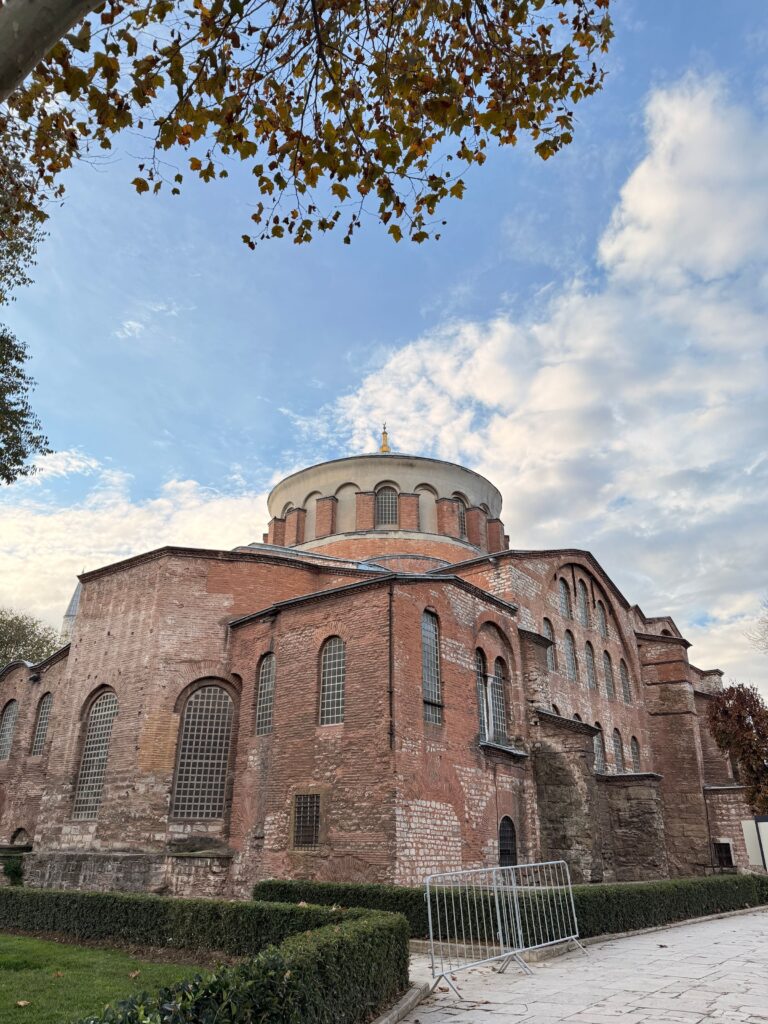
The Cappadocian Fathers Today
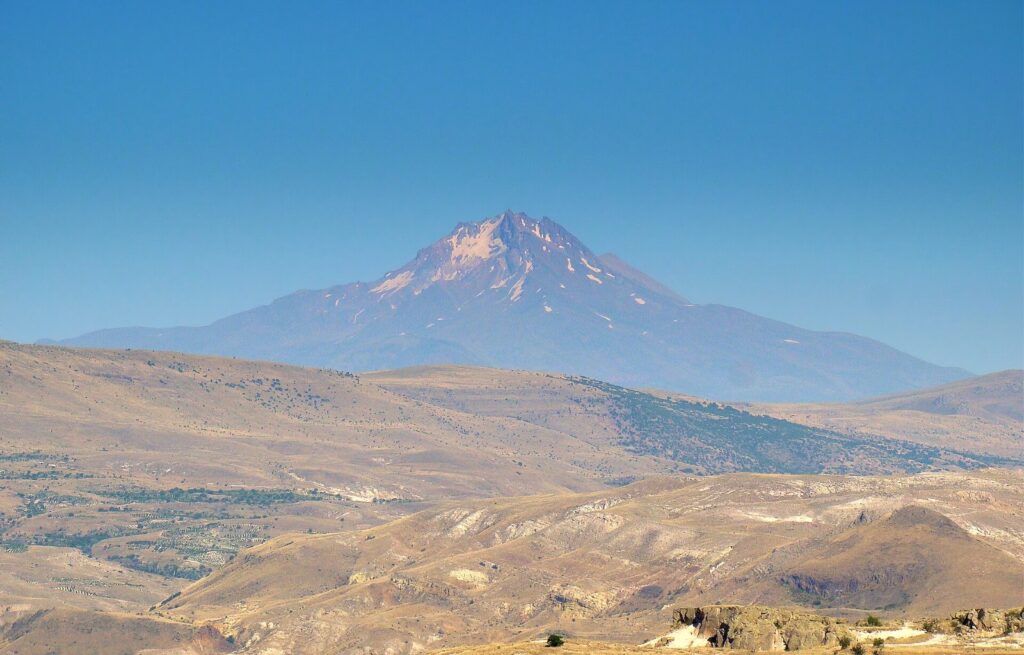
Not much remains from Basil’s own time. His Caesarea lies under modern Kayseri, and nothing of the Basiliad survives. The Kayseri Archaeology Museum moved into the restored Kayseri Castle in 2019 and shows finds from the region, among them the Herakles sarcophagus. Over the city rises Mount Erciyes.
The best place to meet Basil in paint is Göreme. The New Church of Tokalı Kilise has a large cycle of his life, with a scene of Basil and Emperor Valens, who wanted him to compromise with the Arians. If you plan to go, my 10 interesting facts about Cappadocia are a good start.
Relics of Gregory of Nazianzus are in Istanbul too. Pope John Paul II returned them to Patriarch Bartholomew I in 2004, and today they are in the Patriarchal Church of St. George in Fener. My article on the Christian sites in Istanbul tells more about this church.
Frequently Asked Questions
What are the Cappadocian Fathers known for?
They are known for explaining the Trinity as one essence in three persons, which shaped the creed of 381. Basil also built the Basiliad, Gregory of Nazianzus preached the Five Theological Orations, and Gregory of Nyssa wrote about the soul’s endless journey to God.
Where were the Cappadocian Fathers from?
They were from Cappadocia in central Turkey. Basil was born in Caesarea, today’s Kayseri, and was its bishop. Gregory of Nazianzus was born near Nazianzus, east of today’s Aksaray, and Gregory of Nyssa was bishop of the small town of Nyssa.
Are the Cappadocian Fathers saints?
Yes. The Orthodox and Catholic churches honor all three as saints, and Anglicans and Lutherans keep their feast days too. Basil and Gregory of Nazianzus are also two of the Three Holy Hierarchs, remembered with John Chrysostom on 30 January.
Hire Biblical Tour Guide in Turkey
I’m a nationally licensed Turkish tour guide based in Kuşadası, nearby Ephesus. My day guiding is in Ephesus, İzmir and Pamukkale. Cappadocia is farther away, but my license is valid all over Turkey, so I can join you as your personal guide on a longer journey to Kayseri, Göreme and Istanbul.
You can see my guiding rates and guiding areas, or write to me through my contact page to ask about my availability.
I hope we will follow the story of the Cappadocian Fathers together one day. You can always write to me with your questions about Basil and the two Gregorys. See you soon, Hasan Gülday.