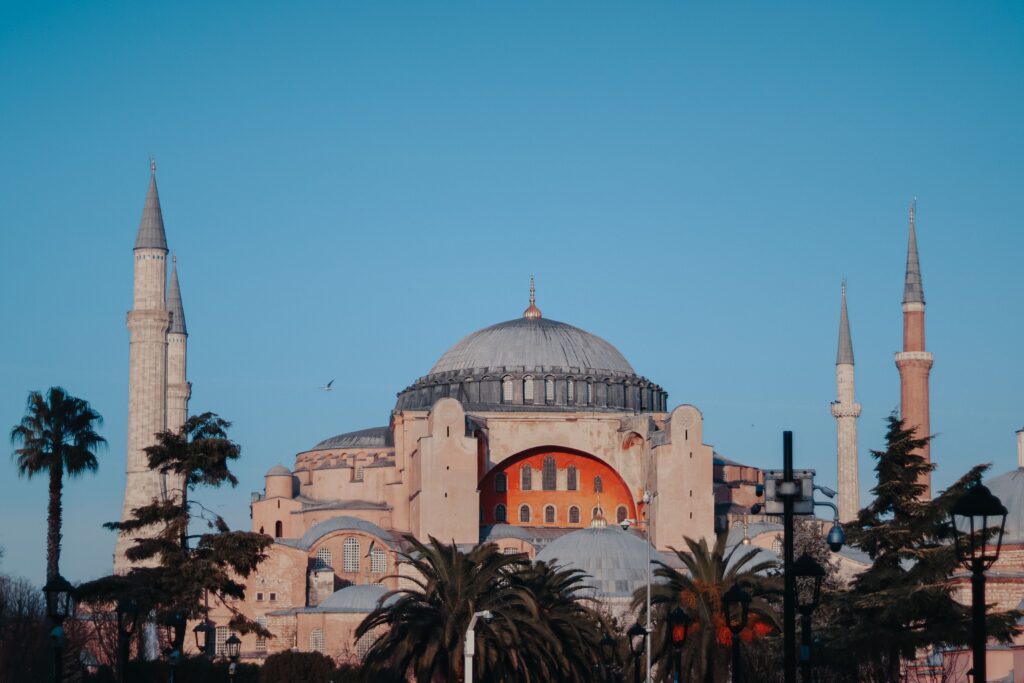
Turkey is the land of the Seven Churches of Revelation, of Apostle Paul’s journeys and of the first great church councils. In 7 days in Turkey you can see the essentials of this Christian story: Istanbul, İznik (ancient Nicaea), Pergamon, Sardis, Philadelphia, Hierapolis, Laodicea and Ephesus. The plan that works is to fly from Istanbul to İzmir and then travel in a loop through the Aegean region.
Add Tours Around Turkey as a preferred source on Google
I get asked this question a lot: “Hasan, I only have a week. What should I see?” So let me say it clearly at the start. Seven days is not enough to do justice to Christian Turkey. Two weeks is better, and three weeks if you can. However, a week planned well still covers the most important places, as long as you keep a brisk pace.
What One Week Can Cover
This is the route I would suggest to a serious Christian visitor with 7 days in Turkey. It starts in Istanbul, with a day trip to İznik. Then short flight takes you to İzmir, and from there the road takes you to Pergamon, Sardis, Philadelphia and Laodicea, four of the Seven Churches, and back west to Ephesus, the fifth. The last day is for the Christian sites of Selçuk, or for the Greek island of Patmos.
The deeper regions of Christian Turkey cannot be combined with the Aegean in seven days. Something has to give. On the other hand, if you add short stops at Smyrna (İzmir) and Thyatira (Akhisar), which I explain below, you can see all Seven Churches of Revelation in this one week.
How to Plan 7 Days in Turkey
Please keep it in mind that this article is free planning advice, not a tour for sale. You arrange your own flights, rental car or driver and hotels, or you ask a licensed travel agency to arrange them for you. What I offer is guiding: I can guide you on the days in Ephesus, İzmir and Pamukkale, or join you as your personal guide on a longer journey.
A few principles help a lot. Start in Istanbul and fly to İzmir instead of driving, because even on the new motorway over the Osmangazi Bridge the drive takes about five hours. Finish in Selçuk or İzmir, close to İzmir Airport. Give each major site about three hours instead of rushing, and bring comfortable walking shoes and a hat.
Also, keep some flexibility. Every group I guide finds at least one site where they want more time, and almost always skips one they thought they wanted. The hotel changes stay few: three nights in Istanbul if you arrive the day before, one night in İzmir or Bergama, two nights in Pamukkale and one in Selçuk.
Day 1 in Istanbul
Arrive in Istanbul the day before if you can. Jet lag is real and starting a busy week tired is a false economy. Stay in or nearby Sultanahmet, the historic peninsula, so the main sites are within walking distance.
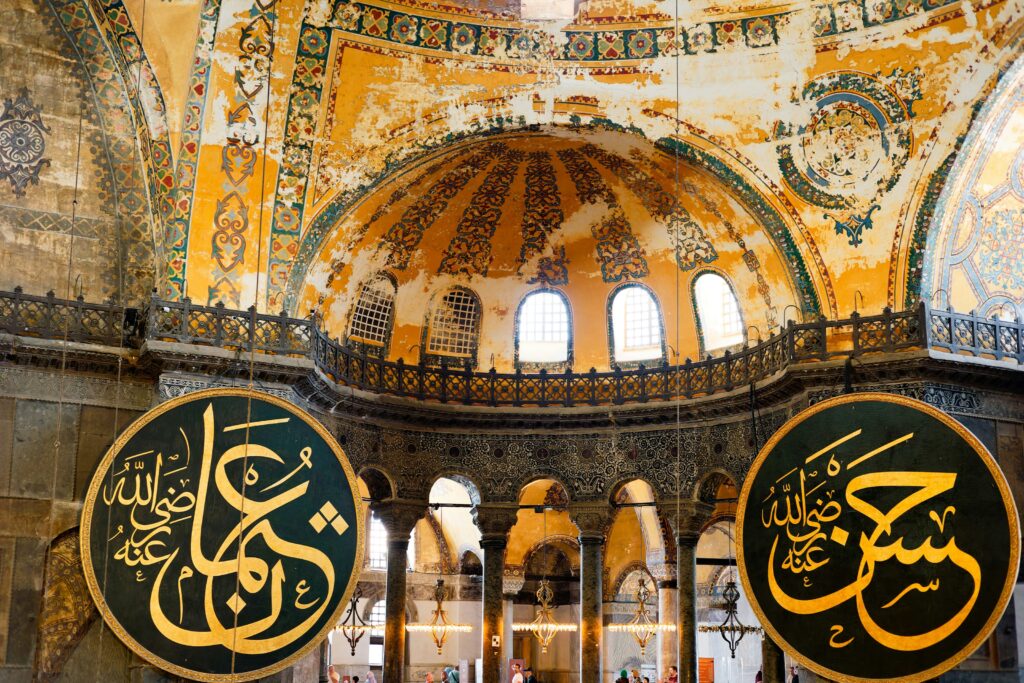
In the morning, see Hagia Sophia. Emperor Justinian completed it in 537, and for more than five hundred years it was the largest church in the world. Go early, before the lines grow. Since January 2024 foreign visitors enter from a separate door and see the building from the upper gallery, while the ground floor is kept for worship. The ticket is 25 euros and museum passes are not valid.
The good news is that the upper gallery is where the famous Deesis mosaic of Christ, the Virgin Mary and John the Baptist is. Shoulders and knees should be covered, and women should cover their hair. You can read more in my Hagia Sophia article.
In the afternoon, choose two or three of these places. The Hippodrome, with the Obelisk of Theodosius and the Serpent Column, walked slowly with its story. The Basilica Cistern, the huge underground reservoir built in the 6th century under Justinian. The Ecumenical Patriarchate and the Church of Saint George in Fener district on the Golden Horn, the spiritual center of the Orthodox world.
Or the Chora Church, the Kariye Mosque today, with its magnificent mosaics and frescoes from the early 14th century. It is my single favorite building in Istanbul. It became a mosque again in May 2024, foreign visitors pay 20 euros, and on Fridays it is open for worship only, so plan it for another day. In the evening, have dinner in Sultanahmet or across the Golden Horn in Karaköy.
Day 2 in İznik, Ancient Nicaea
An early start. İznik is ancient Nicaea, the city of the First Ecumenical Council in 325 and the Seventh in 787. By road it is about 180 to 200 kilometers from Istanbul, so count on two to three hours each way, over the Osmangazi Bridge across the Gulf of İzmit. The drive is beautiful, and the last part follows the shore of Lake İznik.
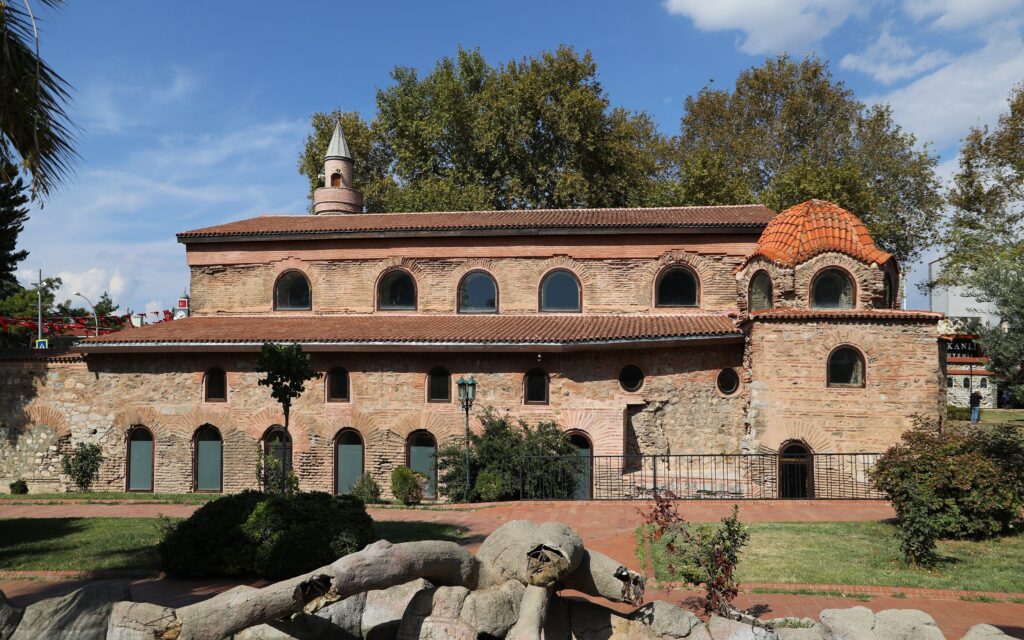
Start at the Hagia Sophia of İznik in the middle of the town. The council of 787 met in this church, while the first council of 325 met in the imperial palace, which has not survived. The building was mostly rebuilt around 1065 after an earthquake. It became the Orhan Mosque in 1331, a museum in 1935 and a mosque again in 2011, and visitors are welcome outside prayer times.
Then walk along the Roman and Byzantine walls, almost five kilometers long, and pass from the old gates: the İstanbul Gate in the north and the Lefke Gate in the east. The Roman theater, which Turkish archaeologists have been excavating since 1980, is also in the town, and the İznik Museum has been in its new building since 2023.
Have lunch by the lake, with the city walls behind you. I recommend to try the fish from the lake; it is quite different from our Aegean fish. After lunch, walk to the shore to see the ruins of the Basilica of Saint Neophytos, spotted from the air in 2014. On November 28, 2025, Pope Leo XIV and Ecumenical Patriarch Bartholomew prayed together at these ruins for the 1,700th anniversary of the council.
Return to Istanbul in the evening. It is long day, but you have been somewhere most international Christian visitors never reach. My list of sacred attractions and routes in Turkey has more places like İznik.
Day 3 in Pergamon
Take a morning flight from Istanbul to İzmir, about an hour in the air. Turkish Airlines and AJet both fly this route. At İzmir Airport, pick up your rental car on the airport or meet the driver you have arranged. Bergama, the modern town of Pergamon, is about 100 to 110 kilometers north of İzmir by road.
If you land early and want all seven churches, first see the Agora of Smyrna in the center of İzmir. Smyrna is the second of the Seven Churches, and you can read about its Christian places in my article on the Christian sites in İzmir and the Smyrna region.
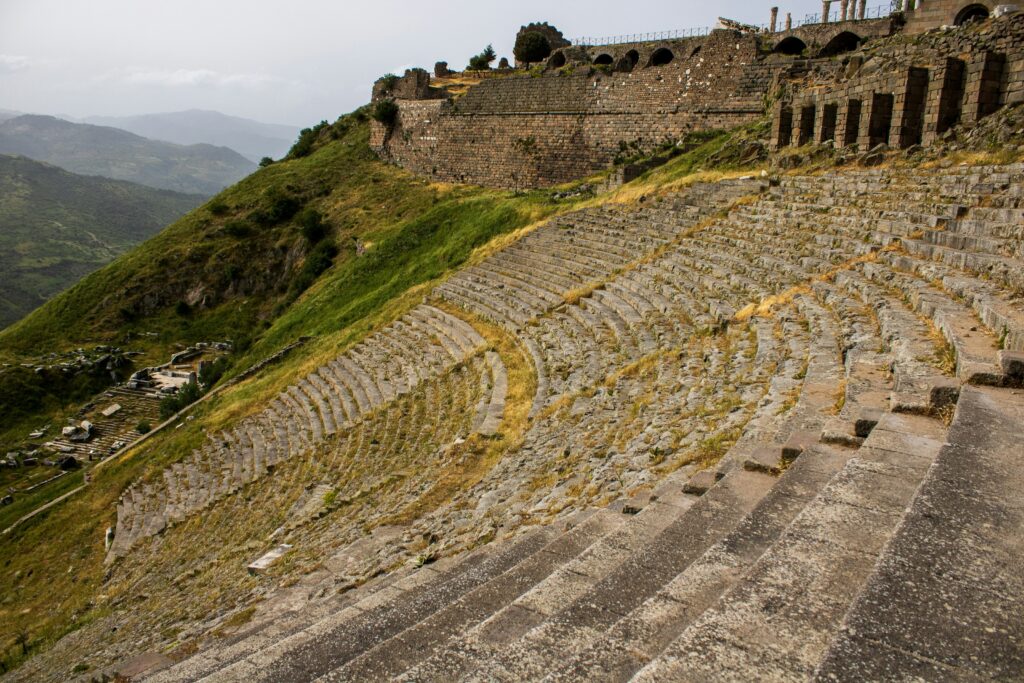
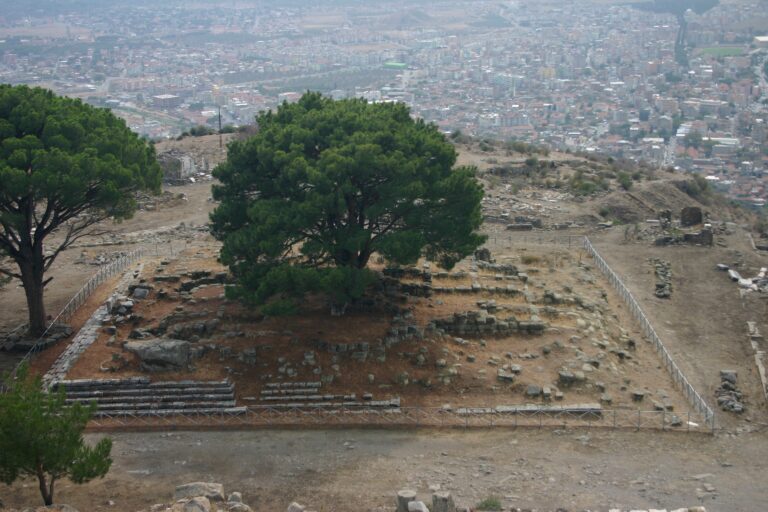
Spend the afternoon at Pergamon, one of the most dramatic ancient sites in Turkey. A gondola lift carries you up to the acropolis, which saves the climb and gives a wonderful approach. Up there you see the steep theater cut into the hillside, the foundations of the Altar of Zeus (the altar itself is in Berlin), the Temple of Trajan and the library.
In Revelation 2:13 the believers of Pergamon live “where Satan’s throne is”. Many scholars connect these words with this great altar, and others with the temples of the emperor cult on the same hill. Standing up there, you understand why letter sounds so serious.
If time allows, also visit the Asclepion below the acropolis too, the healing sanctuary of the god Asclepius, with its colonnaded Sacred Way and a small theater. Together they show you the religious world the Christians of Pergamon lived in: the healing cult below, the emperor cult and the old gods above. More in my Pergamon Ancient City article.
Sleep in Bergama if you prefer a quiet base, or drive back to İzmir. Both have hotels.
Day 4 in Sardis and Philadelphia
Today you drive east into the Hermus valley. If you slept in Bergama and want all seven churches, stop first at Thyatira, today’s Akhisar, between Pergamon and Sardis, about 80 kilometers from Bergama. Its excavated Roman ruins form a small archaeological park near the town center, so a short visit is enough. Lydia, the seller of purple cloth whom Apostle Paul met in Philippi, came from Thyatira (Acts 16:14).
Sardis lies about 70 kilometers east of İzmir, near the İzmir to Ankara highway, by the village of Sart near Salihli. It was the capital of the Lydian kingdom, the city of King Croesus and the fifth of the Seven Churches. Its letter is one of the hardest in Revelation: “thou hast a name that thou livest, and art dead” (Revelation 3:1).
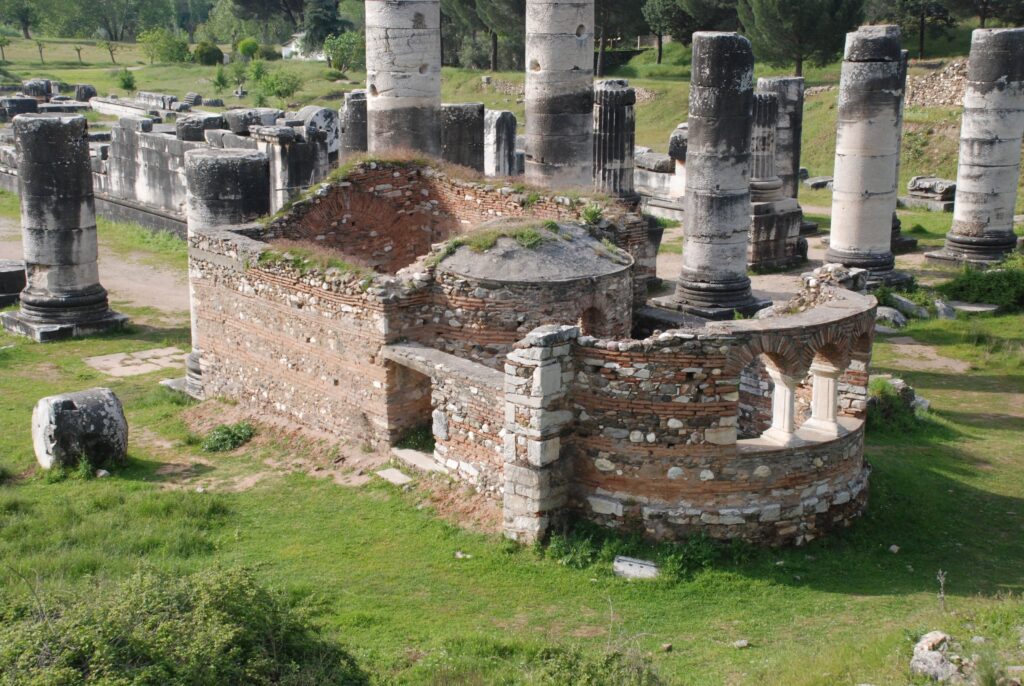
The great synagogue is the highlight. It was a part of huge bath and gymnasium complex, and it is one of the largest ancient synagogues known, with mosaic floors, more than eighty Greek inscriptions and a few in Hebrew. The restored Marble Court of the gymnasium stands right beside it. Read more in my article on the Synagogue of Sardis.
Then drive to the Temple of Artemis at the foot of the acropolis. At its southeast corner stands a small Byzantine church from the late 4th century. Please keep in mind that Revelation was written to the Christian community of Sardis, not to a building, the church buildings came later. My Sardis Ancient City article tells the city’s story.
Have lunch in Salihli, the modern town nearby. In the afternoon, drive about 40 kilometers further east to Alaşehir, ancient Philadelphia, the sixth church. Most of the ancient city is laying under the modern town, but three massive pillars of the 6th-century Church of Saint John still stand in its center.
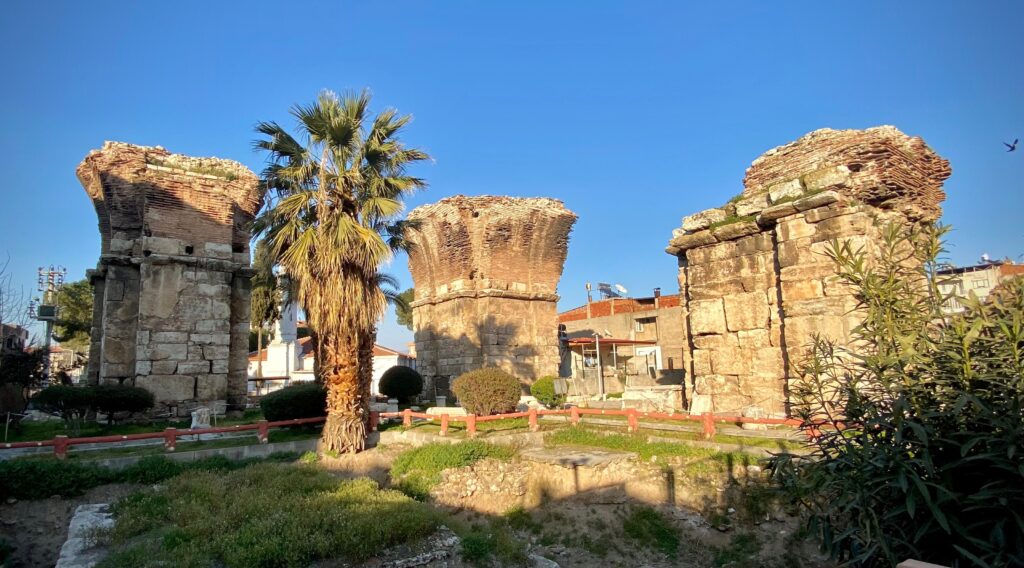
Philadelphia is one of the two churches that received no criticism in Revelation, and the promise of “an open door” (Revelation 3:8). I tell its story in The Church of Philadelphia. From Alaşehir it is about 110 kilometers to Pamukkale, where you sleep tonight.
Day 5 in Hierapolis and Laodicea
This is the richest archaeological day of the week, with three sites close together. Start early at Pamukkale itself, the white travertine terraces on the hillside, the “cotton castle” that gives the town its name. Go before the heat and the crowds. You must take off your shoes to walk on the travertines, and only the marked path is open, so wear shoes you can take off easily.
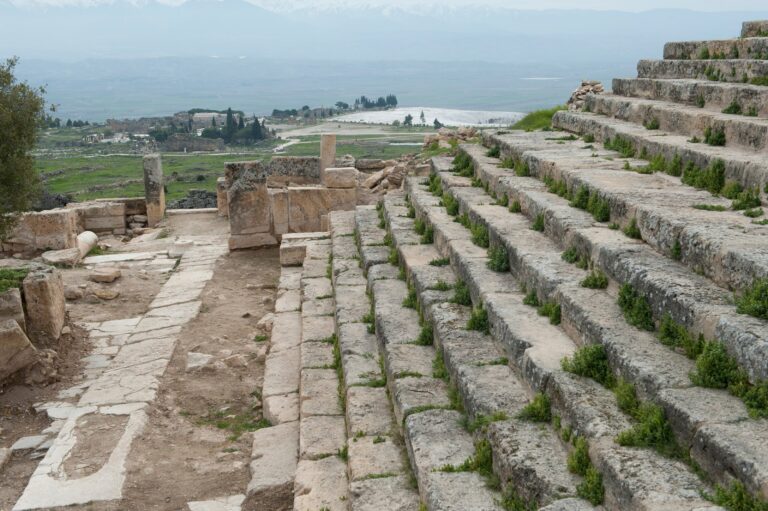
Above the terraces lies Hierapolis, a huge ancient city with a Roman theater and a necropolis that runs for more than two kilometers, one of the best preserved in Turkey. On the hill stands the Martyrium of Saint Philip, an octagonal church of the 5th century. Nearby, in 2011, Italian archaeologists announced that they had found the church with the tomb they identify as Philip’s.
You can read Philip’s story in my article Martyrium of Saint Philip: Pamukkale’s Hidden Tomb, and the city’s story in Hierapolis Ancient City. A good visit takes three to four hours. Have lunch in Pamukkale town between the sites.
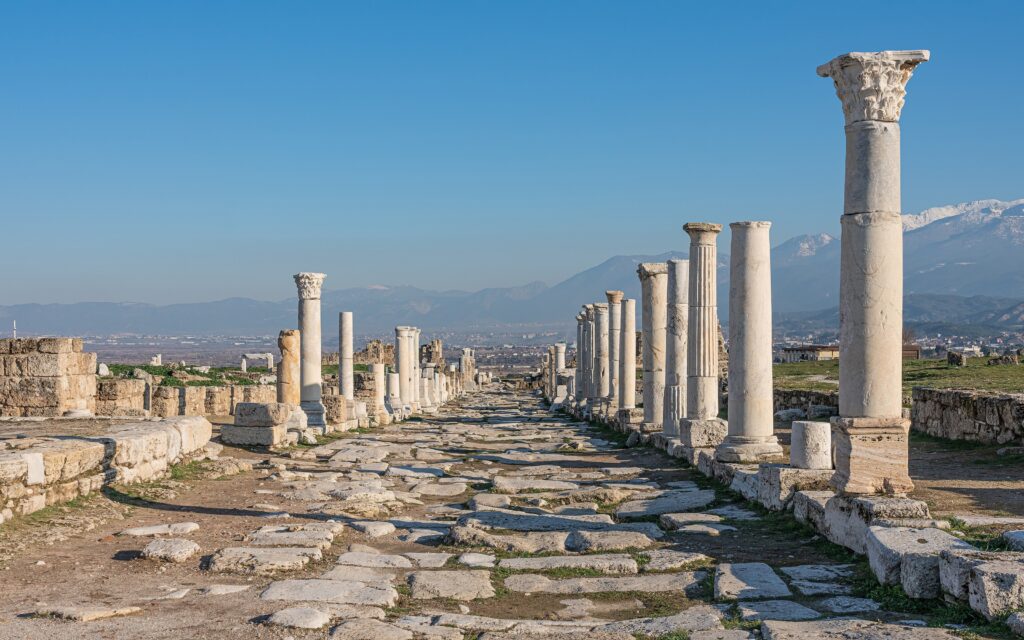
In the afternoon, visit Laodicea, about 10 kilometers south of Hierapolis. It is the seventh of the Seven Churches, the church that was “neither cold nor hot” (Revelation 3:15). It is also one of the most exciting excavations in Turkey. Since 2003 a Pamukkale University team led by Professor Celal Şimşek has transformed the site with its excavation and restoration work.
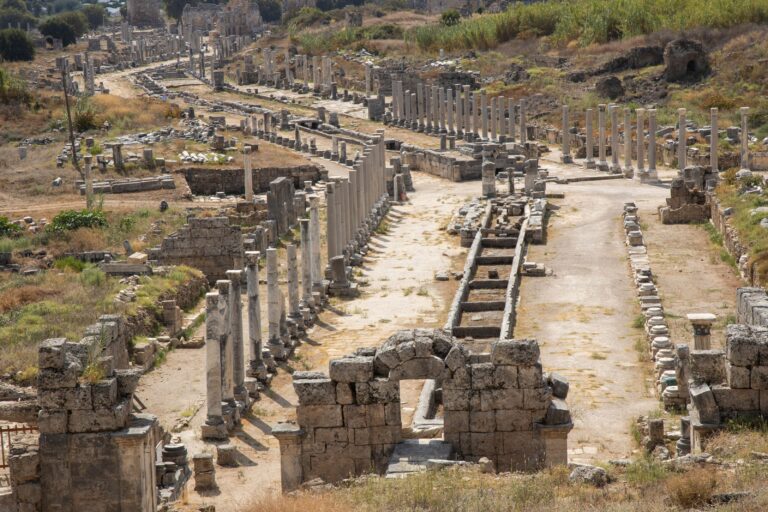
You walk on colonnaded Syria Street, past the stadium, the early churches and the great fountain houses. More in my article on Laodicea and the lukewarm church. Stay a second night in Pamukkale, or drive west toward Selçuk in the evening if you want an easier next day.
Day 6 in Ephesus
Drive west from Pamukkale to Selçuk along the Maeander valley, about 190 kilometers on a good highway. If you have time, you can stop at Aphrodisias, a UNESCO World Heritage Site since 2017. It is not a Christian site as such but it is one of the great ancient cities of Turkey. The detour adds several hours to the day.
Have lunch in Selçuk and check in your hotel. For Christian travelers I always recommend staying in Selçuk rather than Kuşadası or Şirince, because everything is closer. Ephesus is about 3 kilometers from the town center, and the Basilica of Saint John stands in the town itself.
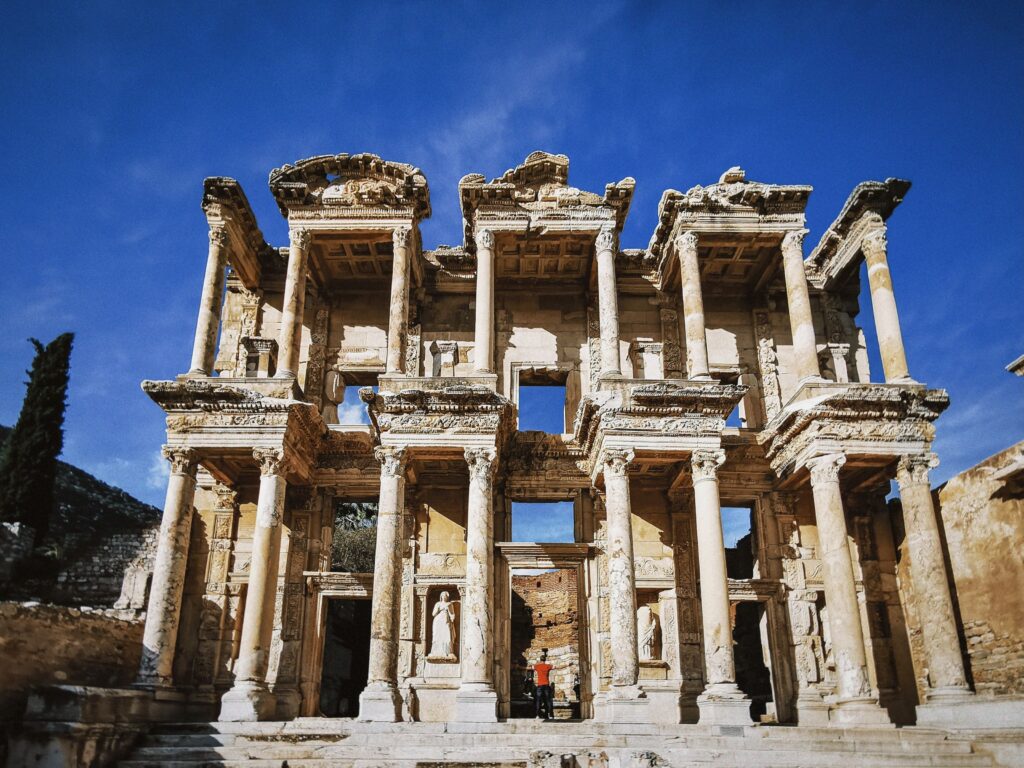
In the afternoon, visit Ephesus Ancient City, the capital of the Roman province of Asia. Most visits start at the Upper Gate and walk down to the Lower Gate. On the way you see Curetes Street, the Library of Celsus and the Great Theater, where the silversmiths’ riot of Acts 19 broke out. Walk slowly and give it three to four hours.
Look also at the Commercial Agora. Priscilla and Aquila were tentmakers like Apostle Paul (Acts 18:3), and a market like this is where such craftsmen worked. Near the Lower Gate, do not miss the Church of Mary, where the Council of Ephesus of 431 met. In Summertime go in the late afternoon, when the heat eases and the light is softer.
My articles on what happened in Ephesus in the Bible and on the Upper Gate or the Lower Gate help with the details. Spend the evening in Selçuk, a quiet town with good restaurants and easy walking.
Day 7 in Selçuk or on Patmos
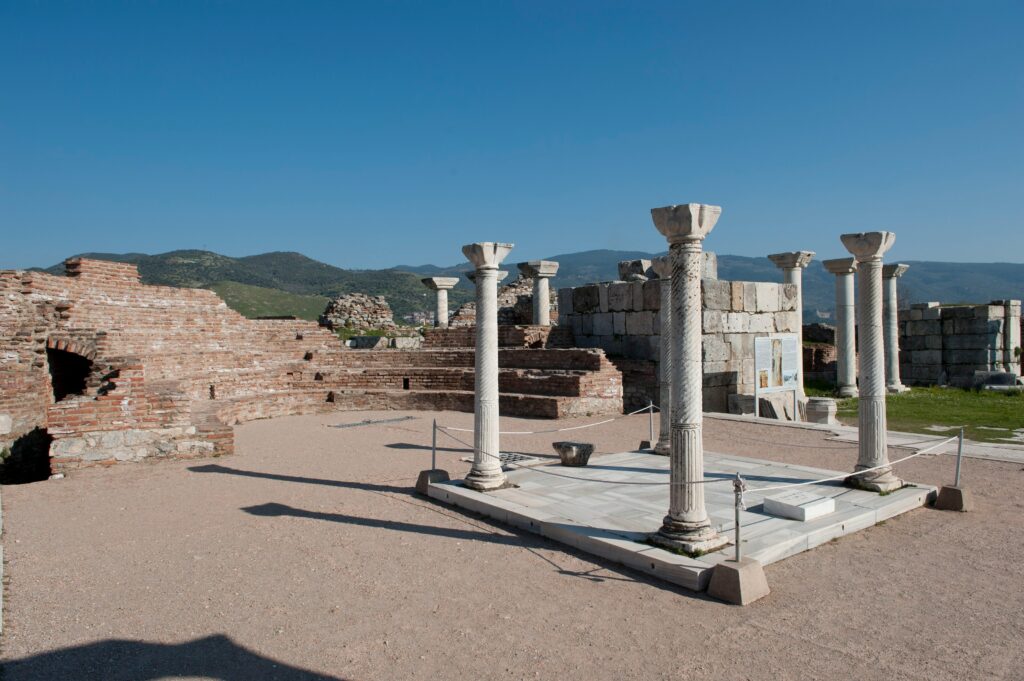
For the last morning you have two options, depending on your energy. Option A is to stay in Selçuk and see its three great Christian sites. The Basilica of Saint John on Ayasuluk Hill was built by Emperor Justinian over the traditional tomb of Apostle John. It has a wide view over the plain of Ephesus, and the Ayasuluk Fortress above it is open too.
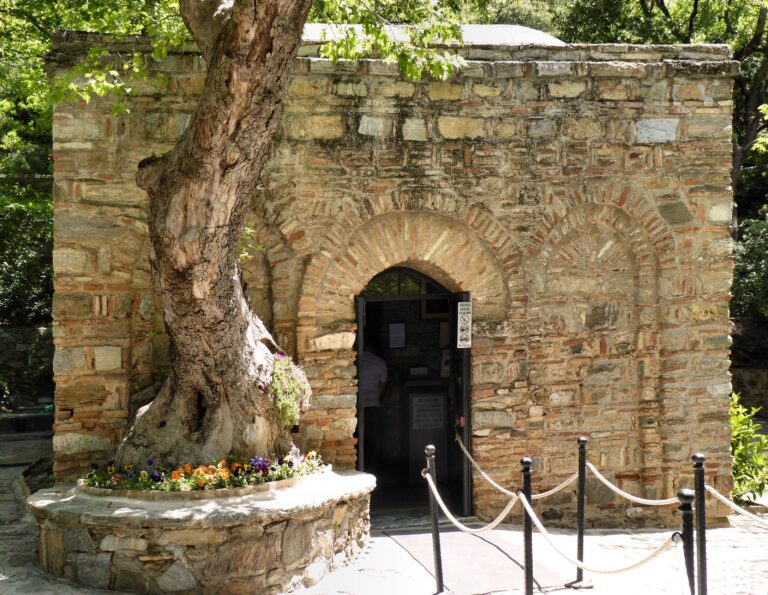
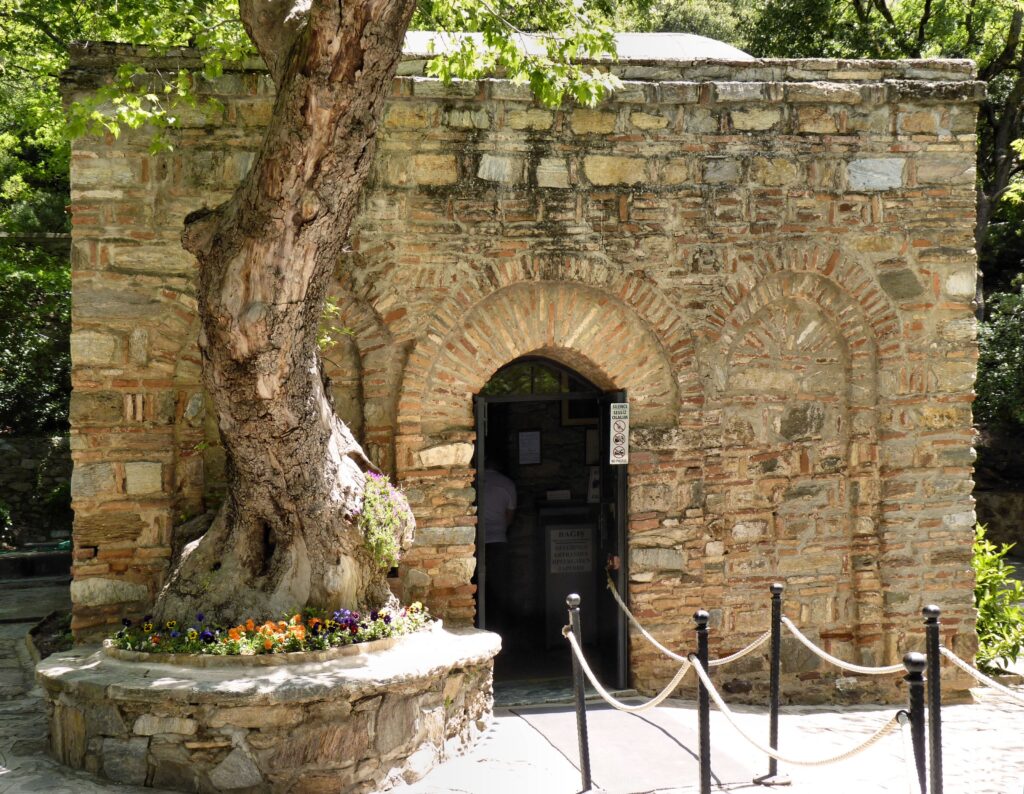
The House of the Virgin Mary stands among the trees on Mount Koressos, about 7 kilometers from Selçuk. It is the traditional place where Mary spent her last years in John’s care, and both Christians and Muslims come here to pray. By the way, we call her Meryem Ana, Mother Mary, in Turkey.
The Cave of the Seven Sleepers lies on the slopes of Mount Pion beside Ephesus. Its legend of young Christians who slept for centuries is told in Christian tradition and also in the Quran, in Surah Al-Kahf. Please note that the Grotto of Apostle Paul is closed to visitors, so do not plan it into your day.
Option B is the Greek island of Patmos, where John received the Revelation. A direct sea bus from Kuşadası runs in the summer season: in 2026 it started on May 26, leaving Kuşadası in the morning and coming back from Patmos in the late afternoon. Schedules change every year, so check the current timetable with the operator before you plan this day.
Patmos is in Greece, so you pass Greek passport control, which is a Schengen border, and you pay in euros there. Please also check your Turkish visa: if it is a single-entry e-Visa, it is used up when you leave Turkey, and you need a new one to come back.
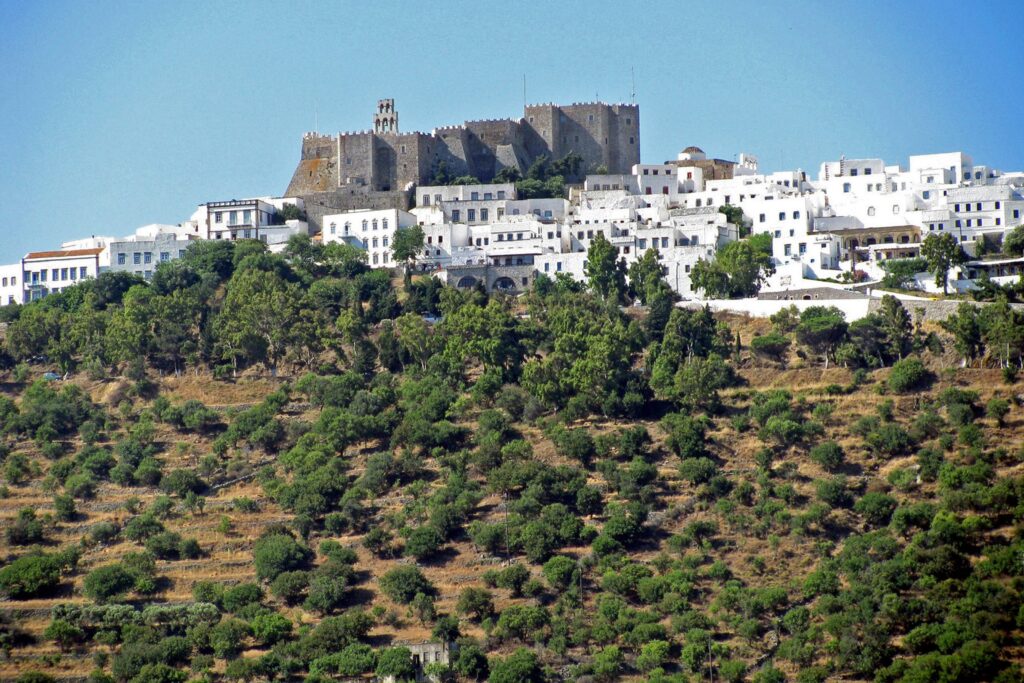
On Patmos you see the Cave of the Apocalypse and the Monastery of Saint John the Theologian, which became a UNESCO World Heritage Site in 1999 together with the town of Chora. It is a long day, but standing in the cave where Revelation was received completes this week in a powerful way. Read my article on how John wrote Revelation on Patmos.
For the flight home, İzmir Airport is about 65 kilometers from Selçuk, around an hour by car, and the airport has its own railway station with trains to Selçuk. Or stay one more night and fly the next morning, which is more humane.
What One Week Leaves Out
A plan for 7 days in Turkey does not include Cappadocia with its rock-cut churches, Antakya (ancient Antioch on the Orontes), the monasteries of the Tur Abdin in the southeast, the Black Sea coast or Antioch in Pisidia near Yalvaç. That is exactly why I want you to come back. Two weeks can add Cappadocia, and three weeks can do justice to the whole country.
For the bigger picture, read my guide to Christian Turkey for first-time visitors and my introduction to the Seven Churches of Revelation.
Frequently Asked Questions
Is 7 days in Turkey enough?
For the Christian essentials, yes, if you keep a brisk pace. Seven days cover Istanbul, İznik, Pergamon, Sardis, Philadelphia, Hierapolis, Laodicea and Ephesus with one internal flight from Istanbul to İzmir. It is not enough for Cappadocia, Antakya or eastern Turkey. For those, plan two to three weeks.
What biblical sites are in Turkey?
Turkey has the Seven Churches of Revelation (Ephesus, Smyrna, Pergamon, Thyatira, Sardis, Philadelphia and Laodicea), Tarsus where Apostle Paul was born, Antioch where the disciples were first called Christians, Pisidian Antioch, Iconium, Lystra, Derbe, Colossae and Hierapolis. It also has the meeting places of all seven ecumenical councils, among them Nicaea, today’s İznik.
Can you take a day trip to Patmos from Kuşadası?
Yes, in the summer season. In 2026 a direct sea bus from Kuşadası to Patmos started on May 26, leaving in the morning and returning in the late afternoon. Patmos is in Greece, so bring your passport and check that your Turkish visa allows you to come back. Outside the season, check the timetable first, because without a direct boat Patmos does not work as a day trip.
Hire Biblical Tour Guide in Turkey
I’m a nationally licensed Turkish tour guide based in Kuşadası, nearby Ephesus, and I have been guiding since 2008. I work as a guide only: you arrange your flights, transport and hotels yourself or through a licensed travel agency, and you hire me as your guide. My day guiding is in Ephesus, İzmir and Pamukkale, so I can guide you on those days of this plan.
My license is valid all over Turkey, so for Istanbul, İznik or a longer route I can join you as your personal guide on a multi-day journey. You can see my guiding rates and guiding areas or write to me through my contact page with your dates and questions.
Your 7 days in Turkey will go by fast, but they stay with you for a long time. I hope we will see each other at the Basilica of Saint John or on the marble streets of Ephesus. You can always write to me with your questions about planning your week. See you soon, Hasan Gülday.